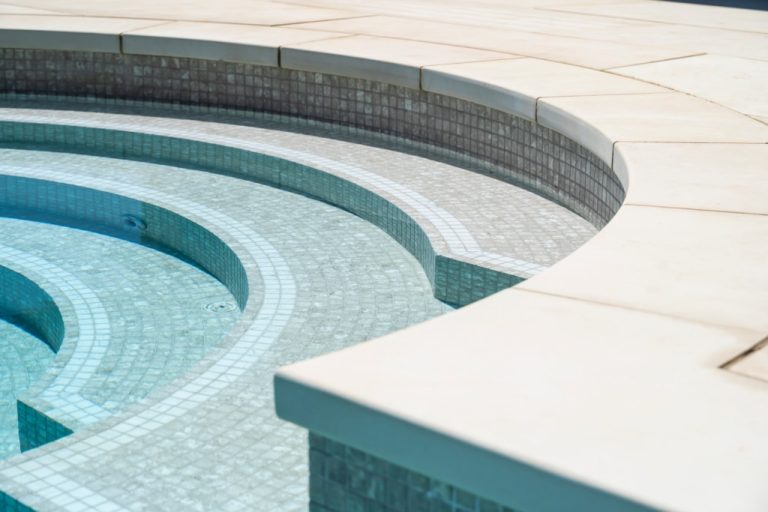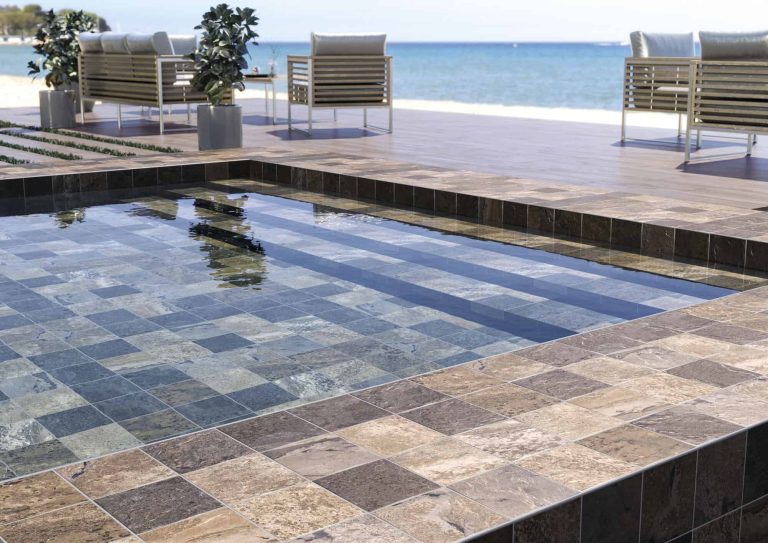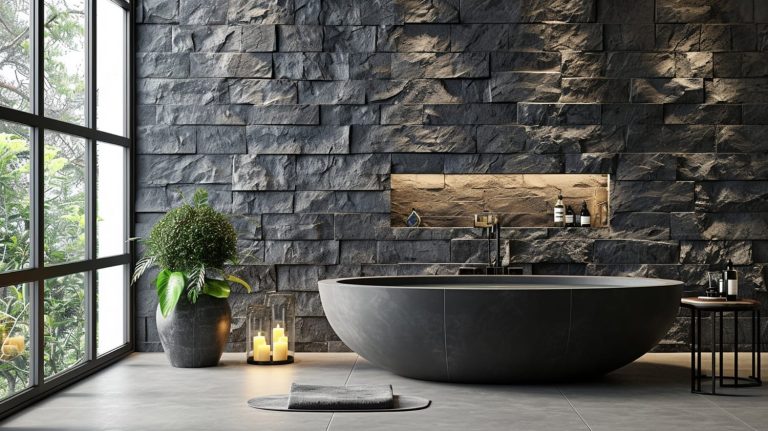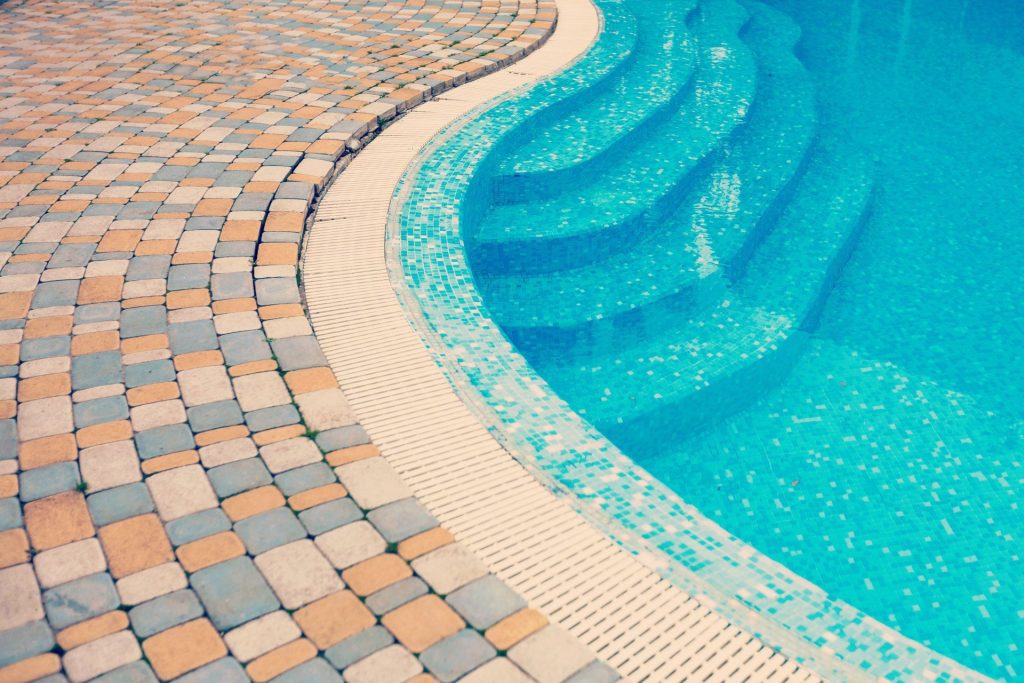
Swimming pools finished with natural stone achieve timeless elegance. From any angle, natural stone boasts unique patterns that create a luxurious feel rarely matched by other man-made materials.
However, unlike synthetic surfaces, natural stone requires careful maintenance to maintain its beauty and performance, especially in humid tropical environments where moisture, heat, and pool chemicals constantly interact with the material.
With the right maintenance routine, natural pool tiles can remain stunning, safe, and durable for decades. This guide explains why natural stone needs special attention and provides practical, professional tips to help homeowners, designers, and property managers keep their pool surfaces in excellent condition year-round.
Why Natural Stone Pool Tiles Need Proper Maintenance
Natural stone is formed through geological processes over thousands of years, giving each tile its distinctive color variations, veining, and texture. While these characteristics make stone visually appealing, they also mean the material is naturally porous to varying degrees. Porosity allows water, minerals, and contaminants to interact with the surface more easily than with manufactured tiles.
Several environmental and operational factors affect natural pool tiles:
- Constant water exposure can lead to mineral deposits and surface dullness.
- Pool chemicals such as chlorine and balancing agents may alter the stone’s finish if not properly managed.
- UV radiation can gradually fade certain stone types.
- Humidity and rainfall encourage algae and mildew growth.
- Temperature changes cause expansion and contraction that may stress unprotected surfaces.
Without proper maintenance, these factors can reduce slip resistance, change the stone’s color, and shorten its lifespan. Preventive care is always easier, and more cost-effective, than restoration.
Routine Cleaning Practices for Natural Pool Tiles
Regular cleaning is the foundation of effective maintenance. A consistent schedule prevents dirt, minerals, and organic buildup from penetrating the stone’s pores.
Daily Maintenance
Daily care focuses on simple habits that reduce accumulation before it becomes problematic.
- Rinse pool edges and surrounding tiles with clean water to remove chlorine residue.
- Remove leaves and debris promptly to prevent staining.
- Wipe wet areas where water tends to pool or stagnate.
- Maintain proper pool water balance to reduce chemical stress on surfaces.
These small actions significantly reduce long-term wear.
Weekly Cleaning
A more thorough cleaning once a week helps preserve the stone’s natural appearance.
- Sweep or brush the surface using a soft-bristled brush.
- Clean with a pH-neutral stone cleaner diluted with water.
- Gently scrub areas with visible dirt buildup.
- Rinse thoroughly to remove any residue.
When performing weekly cleaning, avoid acidic cleaners or bleach-based solutions. Do not use metal brushes, as harsh products can damage the stone surface and make it more susceptible to moisture penetration.
Controlling Algae and Mildew
Warm, moist environments create ideal conditions for algae. When left untreated, growth can make surfaces slippery and visually unappealing.
- Ensure adequate pool water circulation.
- Monitor and maintain balanced pH levels.
- Keep surrounding landscaping trimmed to reduce shade and debris.
- Clean shaded areas more frequently.
- Use stone-safe anti-algae treatments when necessary.
Consistency matters more than intensity. Gentle, regular cleaning prevents the need for aggressive treatments later.
Preventing Mineral and Chemical Stains
Mineral deposits typically appear as white or cloudy patches caused by evaporated water leaving behind dissolved salts and calcium.
To minimize stains, dry areas where water repeatedly pools. Use filtered water to rinse if possible. Avoid leaving cleaning products on the surface for too long. If stains appear, use a stone-specific cleaner formulated for mineral removal rather than acidic solutions.
The Importance of Sealing Natural Pool Tiles
Sealing is one of the most effective ways to protect natural stone in pool environments. A high-quality sealant penetrates the stone and forms a protective barrier that reduces water absorption and stain formation.
Proper sealing offers multiple advantages:
- Enhances resistance to moisture and chemicals
- Helps maintain original color and texture
- Reduces algae and mildew attachment
- Makes routine cleaning easier
- Extends the lifespan of the material
Sealing does not make the stone completely waterproof, but it significantly slows absorption and surface damage.
When to Reseal
The frequency of resealing depends on the stone type, usage level, and environmental exposure. As a general guideline:
- High-traffic or frequently wet areas may need resealing every 1–2 years.
- Covered or less exposed areas may last longer.
- If water no longer beads on the surface, resealing is recommended.
Professional assessment can help determine the optimal schedule for each installation.
Choosing the Right Sealant
Not all sealants are suitable for pool environments. The best options are:
- Breathable penetrating sealers
- UV-resistant formulas
- Slip-resistant compatible products
- Sealants designed specifically for natural stone
Using incorrect products can trap moisture inside the stone, causing discoloration or deterioration.
Long-Term Care and Periodic Inspection
Beyond routine cleaning, long-term preservation requires periodic inspection and proactive maintenance.
1. Regular Surface Inspection
Conduct visual inspections every few months to detect early signs of wear. Look for:
- Surface cracks or chips
- Loose or shifting tiles
- Uneven coloration
- Persistent stains
- Areas that remain damp longer than others
Addressing minor issues early prevents structural damage and costly repairs.
2. Managing Environmental Stresses
Outdoor swimming pools face changing weather conditions that affect the performance of materials. Beneficial long-term strategies include:
- Protecting the surface from heavy impact or abrasion
- Maintaining proper drainage around the pool area
- Scheduling professional cleaning when needed
In tropical climates, where humidity remains high year-round, increased vigilance helps maintain safety and aesthetics.
3. Enhancing Aesthetic Longevity
One of the greatest advantages of natural stone is how gracefully it ages when properly maintained. Instead of appearing worn, well-cared-for stone develops character while preserving structural integrity.
To maintain visual appeal over time:
- Follow consistent cleaning routines.
- Use products designed for stone care.
- Protect the surface through sealing.
Natural pool tiles combine beauty, durability, and authenticity, but their longevity depends on proper care. With thoughtful attention and the right materials, natural pool tiles can maintain their elegance and functionality for many years, transforming any pool area into a lasting architectural feature.
To explore premium natural stone solutions and expert guidance for your pool project, visit Balistone Tiles here and discover materials designed to bring enduring beauty and performance to your outdoor spaces.
Frequently Asked Questions
1. How often should natural pool tiles be cleaned?
Routine rinsing daily and gentle cleaning weekly helps prevent buildup, stains, and algae growth on natural stone surfaces.
2. Can harsh chemicals damage natural stone tiles?
Yes. Acidic or bleach-based cleaners can erode the surface, weaken protection, and cause discoloration or premature wear.
3. Why is sealing important for natural pool tiles?
Sealing reduces water absorption, resists stains, preserves color, and makes ongoing maintenance easier in wet environments.
4. How do I prevent algae on pool stone surfaces?
Maintain balanced water chemistry, ensure good circulation, reduce shade, and clean damp areas consistently to discourage growth.