One architectural tradition that has existed for thousands of years and continues to thrive today is stone carving. Stone carvings define the elegance, durability, and beauty of a building, from ancient temples and palaces to contemporary landscapes.
Understanding the techniques behind decorative stone carving helps designers, architects, and property owners make informed decisions when selecting materials and finishes. This guide explores the core methods used to transform natural stone into refined decorative elements, along with their applications in interior and exterior design.
Natural Stone Materials Suitable for Carving
The success of any carving project begins with selecting the right stone. Each type of stone has unique physical characteristics that influence carving precision, durability, and final appearance.
Marble
Marble is one of the most popular stones for decorative carving due to its relatively soft composition and smooth texture. It allows artisans to achieve intricate detailing and refined finishes. Marble’s subtle veining also adds visual sophistication to decorative elements such as relief panels and sculptures.
Limestone
Limestone is valued for its workability and uniform structure. Its fine grain makes it suitable for both simple and detailed carving. Limestone is often used for architectural ornaments, wall features, and exterior decorative elements because it balances durability with ease of shaping.
Sandstone
Sandstone offers a natural, earthy appearance with visible grain patterns. It is commonly used for outdoor decorative applications such as garden sculptures, facades, and landscape features. Its texture provides a rustic aesthetic while still allowing moderate detailing.
Granite
Granite is significantly harder than other carving stones, making it more challenging to shape but extremely durable. Decorative granite carving is typically used in areas requiring high resistance to weather and wear, such as monuments, columns, and structural decorative elements.
Onyx and Travertine
Onyx and travertine are frequently chosen for interior decorative carving. Onyx provides translucent beauty and dramatic veining, while travertine offers a warm, porous texture that complements natural design themes.
Traditional Stone Carving Techniques
Traditional carving methods rely on manual craftsmanship. These techniques have been passed down through generations and remain essential for creating authentic, artistic decorative elements.
Hand Carving
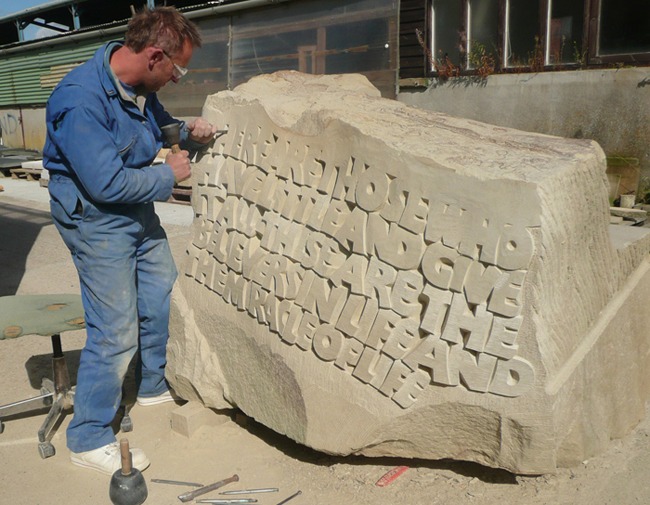
The process typically begins with marking the design directly onto the stone surface. The artisan then removes material gradually, refining the form layer by layer. Hand carving provides maximum artistic control, making it ideal for ornamental motifs, sculptures, and relief work.
Relief Carving
Relief carving is widely used in decorative architecture. In this technique, designs are carved into a flat stone surface while maintaining a background plane. The carved elements appear raised or recessed depending on the desired effect.
- Low relief, the motif only slightly protrudes from the background surface.
- High relief, where elements extend more prominently
- Deep relief, which creates dramatic shadow and dimension
Relief carving is commonly used for wall panels, decorative friezes, and architectural ornaments.
Incised Carving
Incised carving involves cutting lines or patterns into the stone surface without removing large amounts of material. This technique is used to create geometric designs, inscriptions, and fine decorative patterns.
The precision required for incised carving makes it particularly effective for ornamental detailing where subtle texture enhances visual interest.
Sculptural Carving
Sculptural carving transforms stone into three-dimensional decorative objects. Unlike relief carving, sculptural work requires shaping the stone from all sides. This method is often used for statues, decorative columns, and ornamental features in both interior and exterior environments.
Modern Stone Carving Technologies
Today decorative stone carvings have been influenced by technological advances. Modern methods allow for precision, efficiency, and repeatability while maintaining aesthetic quality.
CNC Stone Carving
Computer Numerical Control (CNC) carving uses automated machinery guided by digital design files. This technology enables highly accurate replication of complex patterns and three-dimensional designs.
The process begins with creating a digital model, which is then translated into machine instructions. The machine removes stone material using rotating cutting tools, achieving detailed results with minimal manual intervention.
Waterjet Cutting
Waterjet technology uses a high-pressure stream of water mixed with abrasive particles to cut stone. This technique is capable of producing precise shapes and intricate patterns without generating heat that could damage the material.
Laser Engraving
This technique is commonly used for decorative panels, inscriptions, and fine ornamental detailing. This technique uses consistency and speed, suitable for projects with fast engraving needs.
The Stone Carving Process for Decorative Elements
Regardless of the technique used, decorative stone carving follows a structured workflow that ensures quality and precision.
Design Development
Design development considers both aesthetic goals and structural requirements. For architectural applications, the carved element must integrate seamlessly with surrounding materials.
Material Selection
Choosing the appropriate stone is critical. Factors such as hardness, grain structure, color, and environmental exposure influence performance and appearance.
Material selection also affects the carving technique. Softer stones allow for intricate manual detailing, while harder stones may require mechanical methods.
Rough Shaping
During rough shaping, excess stone material is removed to establish the basic form. This stage defines proportions and structural boundaries.
In traditional carving, rough shaping is performed using larger chisels and hammers. In modern methods, machines perform initial shaping based on digital models.
Detailing and Refinement
Once the general shape is established, artisans refine the design by adding details and textures. This stage determines the visual character of the decorative element.
Precision tools are used to create patterns, contours, and ornamental features. The level of refinement depends on design complexity.
Surface Finishing
Surface finishing enhances both appearance and tactile quality. Common finishes include polished, honed, brushed, and textured surfaces. Each finish influences how light interacts with the stone and contributes to overall design impact.
Decorative stone carving remains one of the most respected methods of architectural ornamentation. Its ability to combine artistry, durability, and natural beauty ensures its continued relevance across design styles.
Stone carving does not simply decorate a space, it defines character, texture, and permanence. Its presence reflects a commitment to quality materials and thoughtful design.
To explore premium natural stone materials and decorative stone solutions, visit Balistonetiles.com and discover inspiration for your next architectural project.
Frequently Asked Questions
1. What is decorative stone carving?
Decorative stone carving is the process of shaping natural stone into ornamental forms used in architecture, interior design, and landscape features.
2. Which stones are best for detailed carving?
Marble and limestone are commonly preferred because their softer composition allows artisans to achieve refined detail and smooth finishes.
3. What is the difference between traditional and modern carving methods?
Traditional carving relies on hand tools and craftsmanship, while modern methods use CNC machines, waterjet cutting, or laser technology for precision and efficiency.
4. Where are carved stone elements typically used?
They are widely used in wall panels, facades, columns, fireplaces, and decorative sculptures for both interior and exterior environments.
5. Why is stone carving valued in design?
It offers durability, natural beauty, and timeless elegance that enhances architectural character and spatial depth.