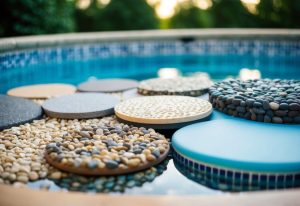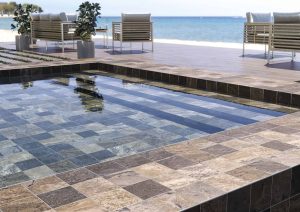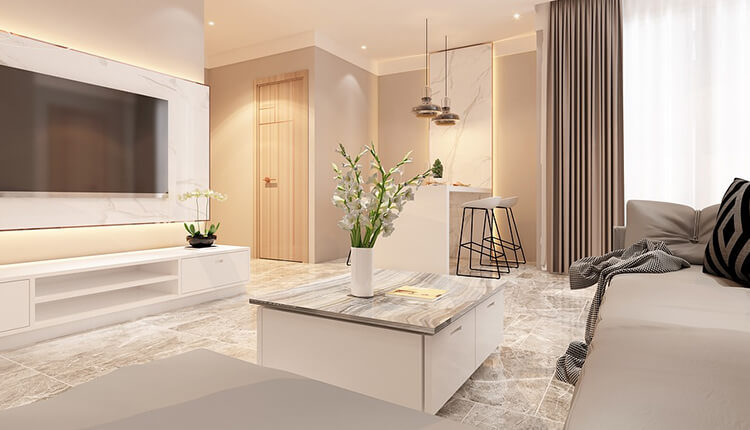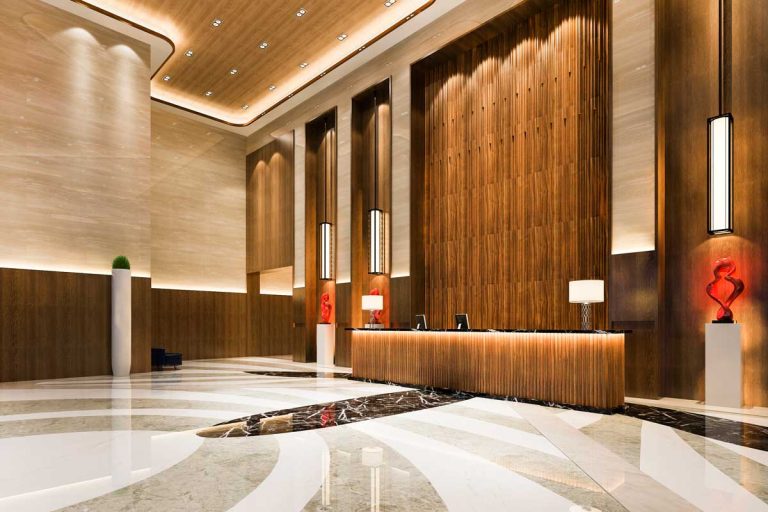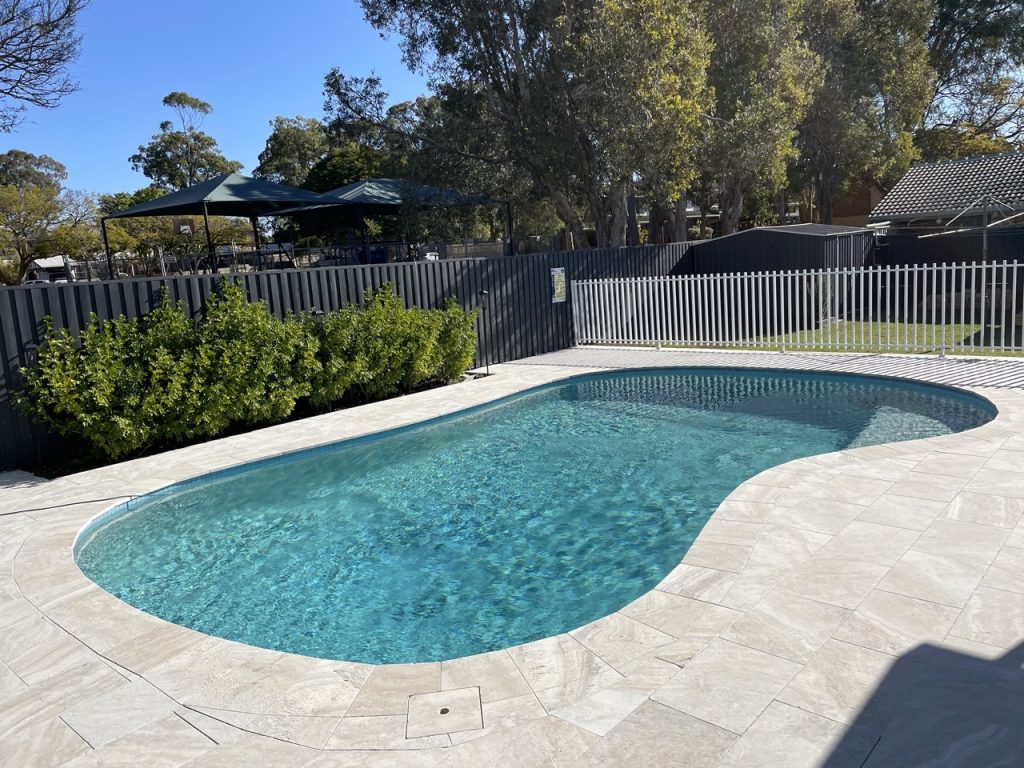
Natural stone is often used as a material for pool tiles. You may be confused about what characteristics to look for in stone that is suitable for swimming pools. To help you avoid confusion when buying natural stone, this post can guide you so you don’t make the wrong choice.
Complete Guide to Choosing Natural Stones for Pool Tiles
Natural stone has long been relied upon as a material for designing swimming pool tiles. The function of natural stone is more than just a construction material; it can also ensure people’s safety and enhance the visual appeal. However, not all stones are good for enhancing the aesthetics of a pool.
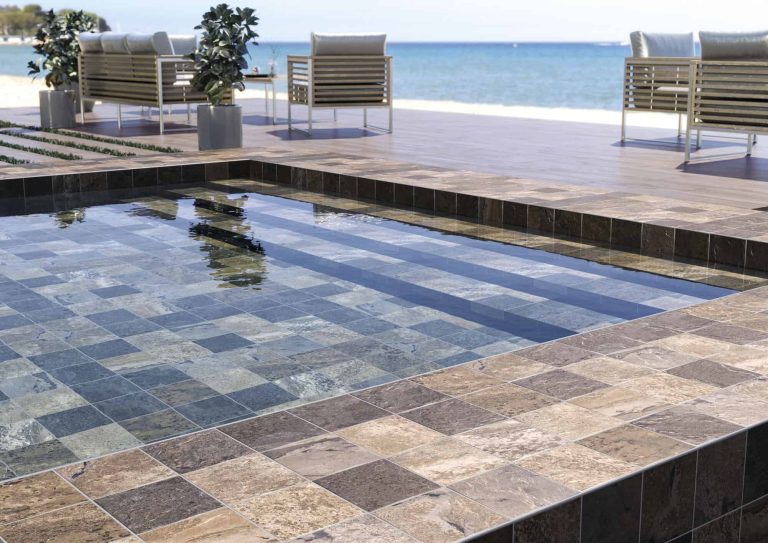
You should choose natural stones with aesthetic value, such as black lava stone, green Sukabumi stone, or ivory cream limestone. How important is natural stone for maintaining safety in the pool area? It is very important, especially when used on the edges and bottom of the pool.
If you choose the wrong material, it will be easier to slip. You must choose stones that are not prone to moss or mold. The tiles must also be resistant to chemical exposure so they don’t get damaged easily.
As a pool designer, I will explain what needs to be considered when choosing natural stone for pool tiles:
Check the Texture, Whether It’s Slippery or Not
This is a must when choosing tiles for a swimming pool. Do not choose natural stone that is not slip-resistant because this is related to safety. Although many stones have the ideal texture with anti-slip properties, some may not.
If you choose anti-slip stone, you won’t need to bother with extra coatings or sealants. However, that doesn’t mean you should choose natural stone with a texture that is too rough. Check whether the texture has fine pores, as this is ideal for swimming pools.
The texture of pool tiles does not have to be too rough; just slightly rough to provide better grip, but still comfortable. You can add smooth natural stone, such as limestone, for aesthetics, but install it outside the pool, on the pool walls, or for decorative purposes.
High Resistance
To prevent damage, you should choose sturdy natural stone. Choose a stone that is resistant to high pressure, chemical exposure, and scratches. Depending on how the pool is managed, chlorine, calcium hypochlorite, or salt may be used.
If the material is not resistant to chemical exposure, it will be more prone to changes in density or color. Using high-resistance pool tiles is also good for long-term investment. You don’t have to bother with routine daily maintenance or replace the tiles for years.
Visual Appeal
Especially if you are working on a pool project for a resort, hotel, or villa, the visual aspect is very important. Not only the pool tiles, but the overall aspect of the pool must also prioritize aesthetics. So, prepare decorative elements to perfect your pool.
When choosing natural stone, you must know the basic style of the property or outdoor garden. Adjust the stone you choose to that style as a benchmark. You can use various textures according to their respective functions, but for colors, it is better to harmonize them. Natural stone colors do not have to be monochrome; there are also unique ones, such as green Sukabumi stone.
Although not always necessary, it is better to order natural stone that comes entirely from the same production batch from the manufacturer. You must ensure that the distributor or manufacturer is reliable. If possible, you can check directly at the factory or request samples. If you order natural stones in one batch, the colors will be more uniform for harmony in the pool.
Resistant to High Temperatures
Sunlight exposure can make the surface hot, which is not good for the pool area. Especially for the edges of the pool, you need to choose natural stone that is non-slip and can absorb heat well. If the material used does not absorb heat well, your feet will be burned when you step on it.
How Important Is It to Buy Natural Stone from a Trusted Distributor?
Whatever natural stone you choose, you should get it from a trusted supplier. It would be even better if it came from the manufacturer because you can easily find out the exact source. The quality of natural stone can greatly affect the durability and aesthetics of pool tiles.
Credible manufacturers usually offer a wide selection of stones. For example, lava stone, limestone, green stone, slate stone, andesite stone, and so on. They are also open to consultation, so you can learn how to install and maintain tiles properly.
Don’t forget to ask about after-sales service to support the success of your project. They also usually provide warranties with certain conditions. Consider natural stone from Bali Stone Tiles as an investment because of its high quality, which will last for years.
Frequently Asked Questions
Are all types of tiles suitable for pools?
You should choose tiles that are resistant to temperature changes, including high temperatures during hot days. Chemicals such as chlorine are often used in pools, and the tiles you choose must be resistant to them.
What should be considered when choosing pool tile colors?
Choose light-colored tiles for shallow areas to make them appear larger and more sparkling. Use darker-colored tiles for deeper areas to create a more dramatic effect.
How often should pool tiles be replaced?
Depending on the type of tiles you use, they can last 5-10 years as long as they are maintained regularly. It is important to choose tiles that are resistant to chemicals and intense sunlight.
Why are many pool tiles blue?
There is a specific reason for using blue in pools: it makes them look clean, gives a sense of spaciousness, and creates a calm atmosphere. So, it’s not just about aesthetics; there’s a psychological aspect to it as well.
Should I replace my pool tiles?
Replace your pool tiles if they have faded or are no longer visually appealing. You can use natural stone as pool tiles for a modern look.
How much do tiles affect the color of pool water?
Light reflecting off the pool surface alters the visual appearance based on the tile color. If you want the pool water to appear clear and bright, use light-colored tiles.