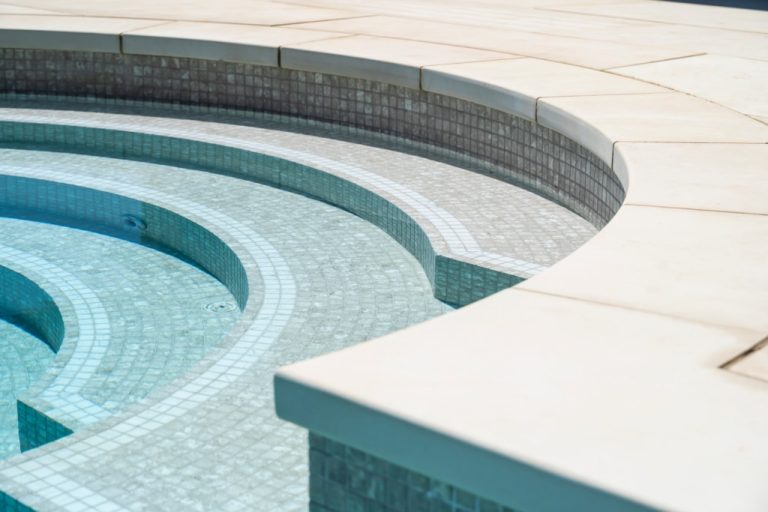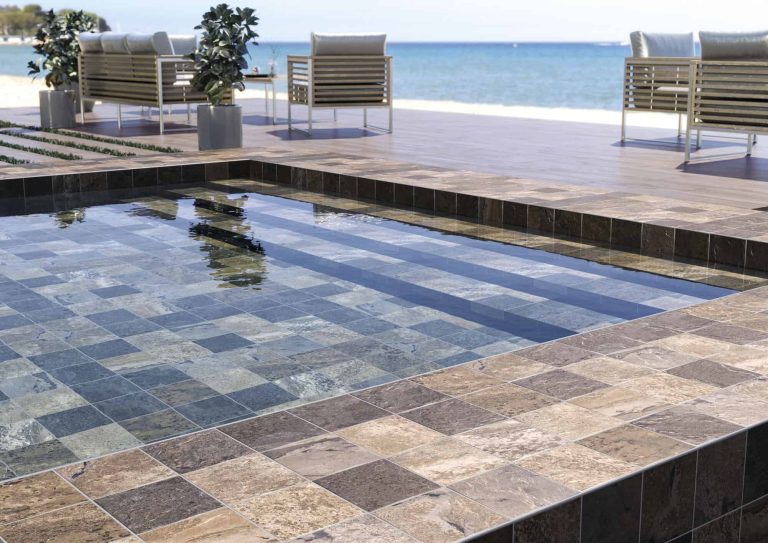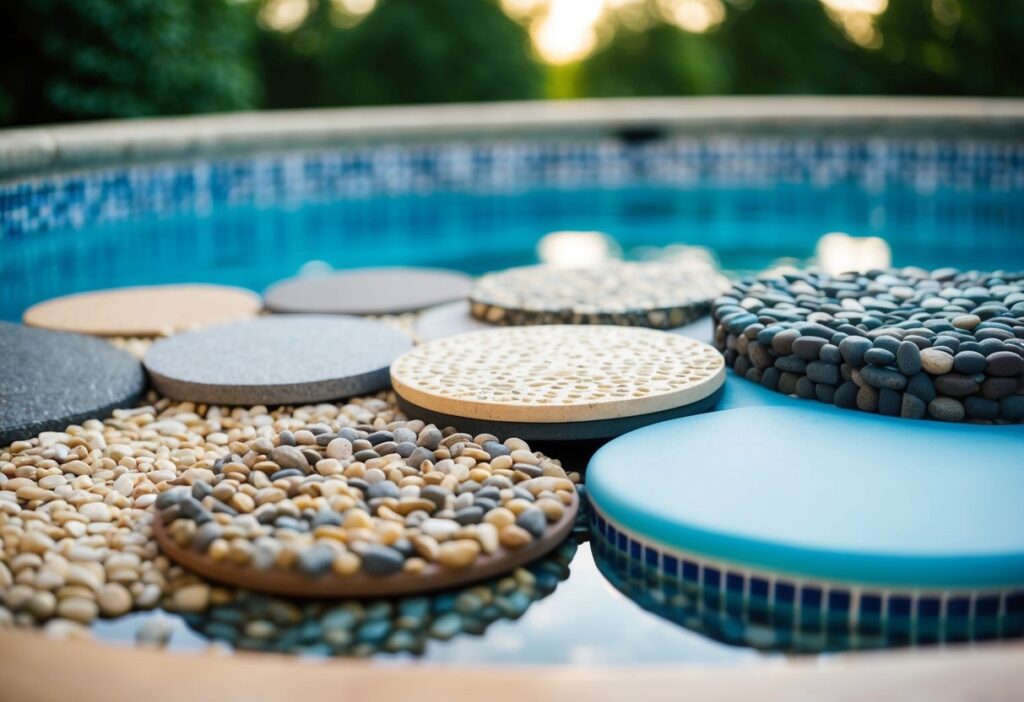
If you want a safe, aesthetic, and long-lasting swimming pool, consider using stone as the material. You can use natural stone when making a pool deck, pool coping, or pool walls. This post provides a complete guide on using natural stone for long-lasting and durable pool surfaces.
Natural Stone as a Reliable Material for Pools
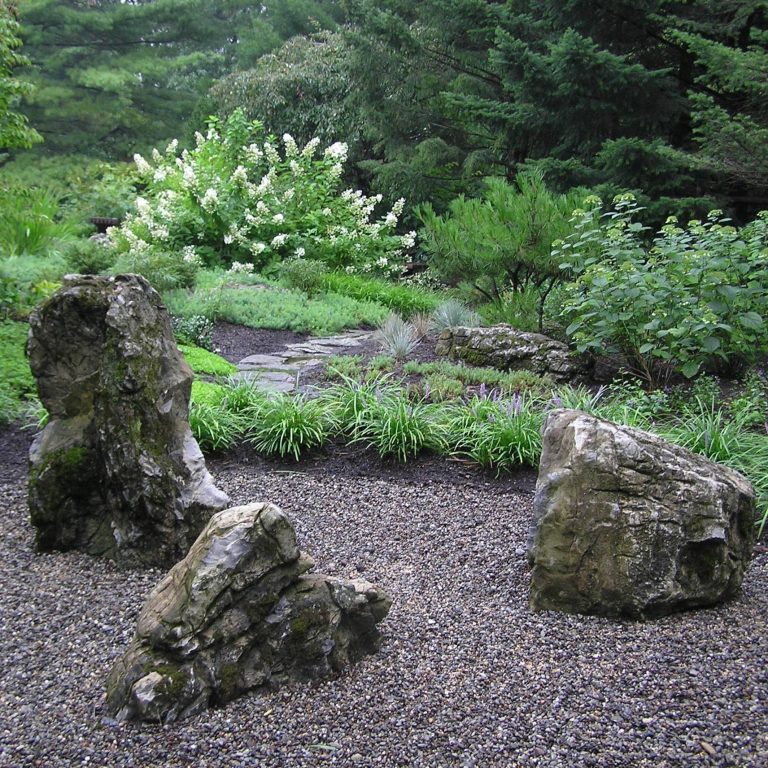
Natural stone has long been used for indoor and outdoor construction. In exterior design, natural stone is often used to create swimming pools, water features, and garden pathways. So, is it worth using natural stone as the main material for pool decks?
The pool surface is an important part; you must keep it intact even though it is under pressure, may be scratched, and is often exposed to chemicals. During the day, the temperature can become very high. You must choose natural stone that is resistant to sunlight so that it remains durable for a long time.
You may be considering synthetic materials because they are cheaper. Although you can reduce costs, this is not ideal in the long run. The importance of natural stone is not only about durability but also about the safety and comfort of guests.
Some stones can help cool down due to their zeolite content. For pool coping areas, this is very important to prevent skin burns. Most natural stones also have a texture that is ideal for preventing guests from slipping.
Natural Stone Options for Long-Lasting Swimming Pools
There are many types of natural stone, each with different advantages. Some have a more attractive appearance, while others are more durable. As a professional pool designer, I will give you several natural stone options to use as pool deck material.
Sandstone
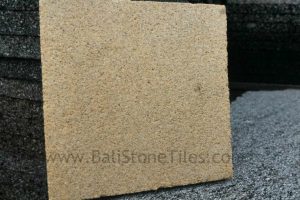
For those of you who like a natural look, sandstone is the right choice. This stone can increase slip resistance thanks to its texture. If the pool area is often visited by children, you can consider using sandstone as pool coping material.
You can choose from a variety of sandstone colors, including earthy brown, golden yellow, and others. However, it is important to seal sandstone before using it as pool material because this type of stone is porous.
Marble
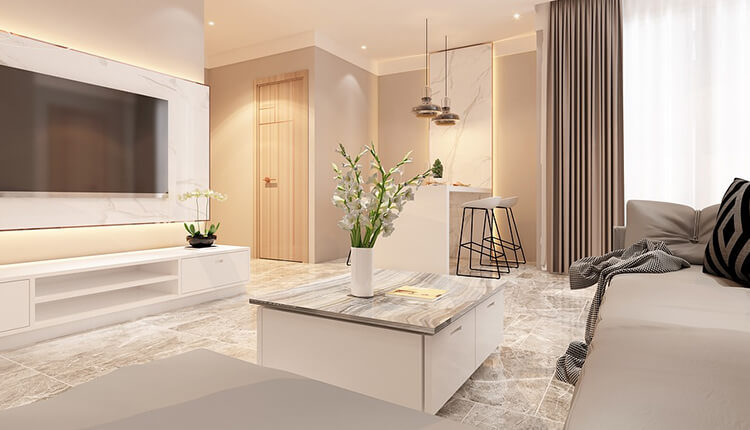
If you prefer a more luxurious but long-lasting pool, marble can be one of the options. Marble is known for its classy look and high durability. You can be more flexible in choosing colors because there are more options for marble tiles.
However, you must be prepared to maintain it regularly and carefully to preserve its beauty. Unfortunately, marble is easily scratched and is not the best choice for an anti-slip material. If you still want to use marble, make sure to finish it with a textured coating.
Travertine
Using travertine as pool deck material can manage the temperature in both cold and hot weather. Your feet will still feel comfortable when stepping on travertine tiles. This stone has a good grip and is not easily stained, but it is recommended to coat it first before use. Travertine stone comes in a variety of colors, such as walnut, ivory, cream, and other soft colors.
Limestone
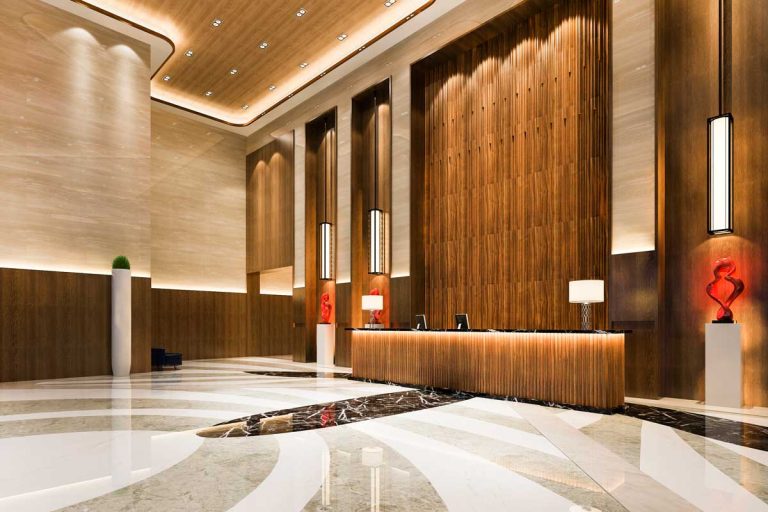
With its elegant and classic look, limestone tiles are often considered for both exterior and interior designs. You can expect a brighter and softer look for your swimming pool if you use limestone. Many resorts and hotels use this material to give their pools a luxurious look.
Limestone provides good grip and is also quite reliable in terms of resistance.
Granite
Granite is another option for a high-durability pool material. Whatever the risks, including bad weather, hot sunlight, high-pressure water, and so on, are not a problem for granite tiles. Granite has high density and is not very porous, so it does not absorb water.
This means that granite can be used for many years as pool deck material. However, granite tiles may be more expensive than some other types of natural stone.
Extra Tips for Long-Lasting Pools
It is important to choose high-quality natural stone, but that’s not all. You also have to maintain the chemical balance of the pool water. It is also important to clean the pool regularly because algae/biofilm can dirty the surface.
You may want to use a rough brush to clean the pool surface faster, but this is not recommended. Don’t let rough brushes damage the stone layer over time. To find out the current condition of the tiles, it is better to monitor them regularly.
Routine inspections can not only determine the current quality of the pool deck but also detect problems such as water leaks and chemical imbalances. If there is damage to the pool tiles, it will get worse if left unattended for too long. Natural stone can indeed be relied upon to withstand the effects of weather, but there are precautions you need to consider.
One of them is to provide shade over the pool. At least with a cover, the water in the pool will not evaporate easily, which will prevent changes to the pool deck. Don’t forget to seal the stone several times a year, depending on the quality of the sealant you use.
Regular sealing of the stone helps protect it from weather damage, moisture absorption, and stains. To make your swimming pool more durable, don’t use chemicals too often. Another thing that is no less important is choosing a credible manufacturer that produces high-quality stone for pool decks. Bali Stone Tiles provides carefully selected natural stone to ensure quality.
Frequently Asked Questions
What are the latest trends for pool decks?
There is a new wave of using natural stones as pool deck material and for coping. Natural stones keep the pool water or surface temperature cool even in the hot afternoon sun.
What is the best stone for pool coping?
You can choose between granite, limestone, travertine, or quartz. Some of these stones are water-resistant, heat-resistant, and anti-slip.
What type of natural stone is water-resistant?
There are quite a few natural stones that are ideal for use in wet areas because they are water-resistant, one of which is granite. You can use this stone as a material for bathrooms, kitchens, and swimming pools.
Do you have to seal natural stone every year?
Yes, the natural stone tiles you use may be porous, so they need to be sealed regularly. Otherwise, they may change color more quickly or cause stains that may be difficult to clean.