Natural stone combines enduring strength with organic beauty, making it an essential component of upscale landscape compositions. Among its most appealing characteristics is the wide variety of colors that naturally occur within the material.
Unlike manufactured products, natural stone does not have a uniform appearance. Instead, it offers subtle changes, dramatic contrasts, and complex tonal layers that bring outdoor spaces to life. Understanding how and why these color variations occur can help designers, architects, and homeowners make more confident decisions when selecting materials.
What Causes Natural Stone Color Variations
Natural stone color variation is the result of geological processes that occur over thousands or even millions of years. These variations are not imperfections but indicators of authenticity, revealing the stone’s origin and formation history.
1. Mineral Composition
The primary driver of color variation in natural stone is mineral content. Different minerals present during formation influence the stone’s hue, saturation, and patterning.
- Iron compounds often produce warm tones such as rust, red, or golden brown.
- Quartz contributes lighter shades including white, cream, and soft gray.
- Carbon materials can create darker tones such as charcoal or deep gray.
- Copper-bearing minerals may introduce green or bluish undertones.
Because mineral distribution is rarely uniform, stones extracted from the same quarry may still display noticeable tonal differences.
2. Geological Formation Processes
Pressure, heat, and environmental conditions during formation play a crucial role in determining color characteristics. Sedimentary stones may display layered tones that reflect historical deposition cycles, while metamorphic stones often show veining or crystalline patterns formed under intense pressure.
3. Surface Finishing Techniques
Although color originates naturally, finishing processes influence how that color is perceived. Surface treatments alter texture and light reflection, which can make tones appear lighter, darker, or more saturated.
- Honed finishes create a smooth, matte appearance that softens color contrast.
- Polished surfaces intensify color depth and highlight mineral patterns.
- Tumbled or textured finishes emphasize natural variation by diffusing light across the surface.
Choosing an appropriate finish is therefore not only a functional decision but also an aesthetic one.
4. Environmental Exposure
Over time, exposure to sunlight, moisture, and temperature changes can subtly affect the appearance of natural stone. Some stones develop a richer patina, while others lighten slightly as minerals react to environmental conditions.
Popular Natural Stone Colors for Landscape Design
Understanding the characteristics of each color group helps ensure a harmonious design outcome.
Earth Tones: Beige, Brown, and Cream
Earth-toned stones are among the most versatile options in landscape design. Their warmth and neutrality allow them to blend seamlessly with vegetation, soil, and natural surroundings.
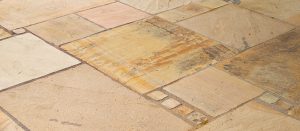
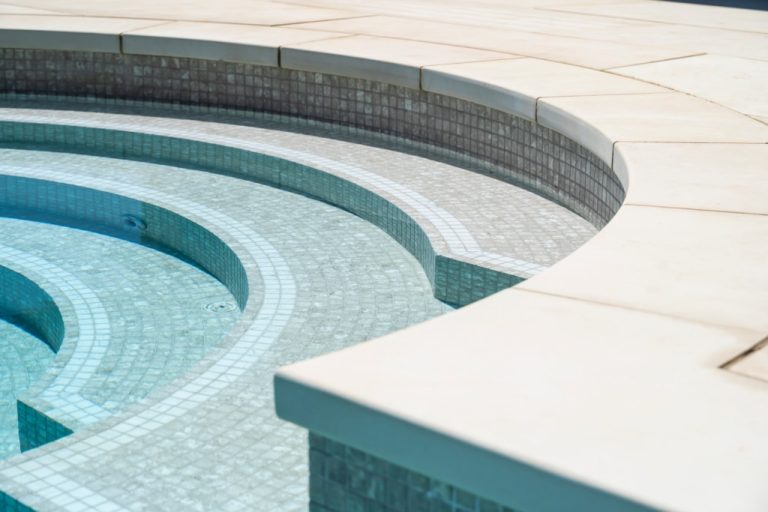
Beige and cream stones create a soft, welcoming atmosphere and reflect sunlight effectively, making them suitable for patios, walkways, and pool areas. Brown tones introduce depth and grounding energy, often complementing wood elements, garden beds, and rustic design themes.
Because these tones mirror natural landscapes, they are particularly effective in designs that aim to maintain an organic or tropical feel.
Gray and Charcoal Shades
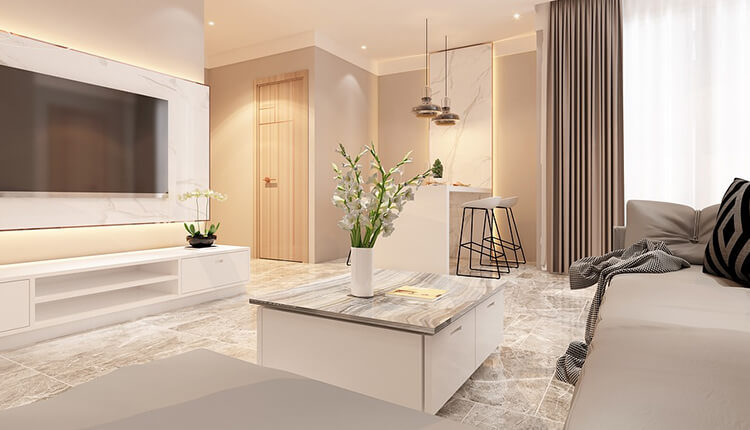
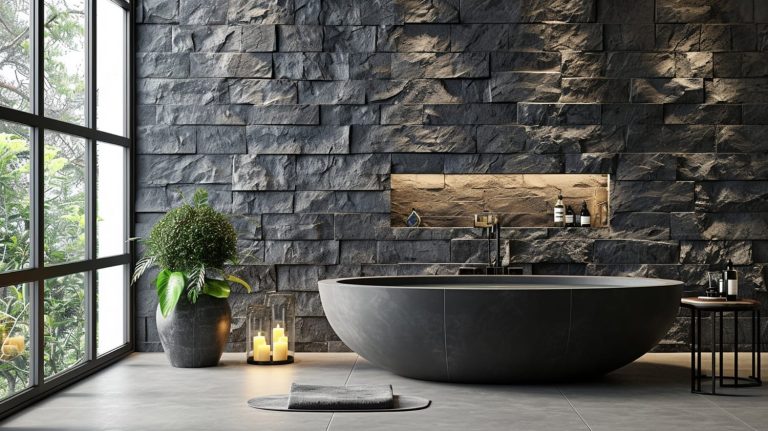
Gray natural stone offers a contemporary aesthetic that pairs well with modern architecture. Light gray tones provide understated elegance and balance, while darker charcoal shades add dramatic contrast and visual definition.
Gray stones are frequently used for paving, retaining walls, and outdoor living areas because they harmonize with a wide range of materials, including concrete, metal, and glass. Their neutral character allows surrounding elements such as plants, water features, and lighting to stand out.
Warm Tones: Gold, Rust, and Terracotta
Warm-toned stones bring vibrancy and personality to landscape compositions. Golden hues reflect sunlight beautifully and create a welcoming ambiance, especially in outdoor gathering areas. Rust and terracotta tones introduce a sense of heritage and natural richness, making them ideal for Mediterranean, tropical, or rustic-inspired environments.
These colors work particularly well when paired with lush greenery or water elements, where the contrast enhances visual interest without overwhelming the space.
Mixed and Variegated Patterns
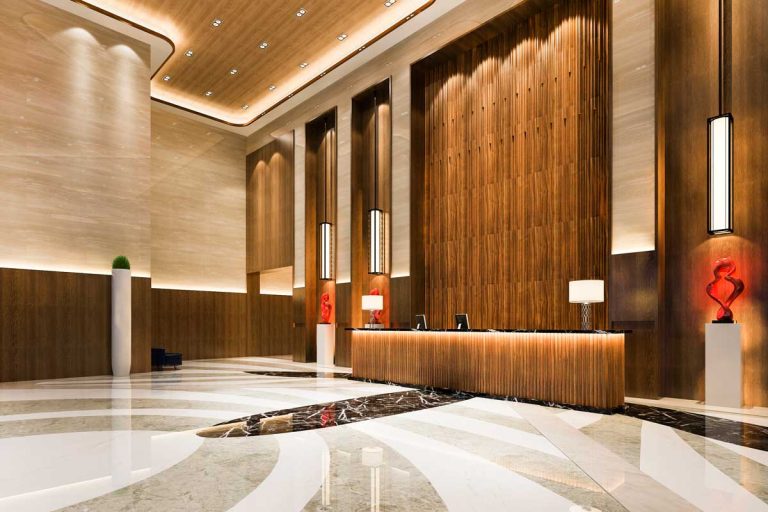
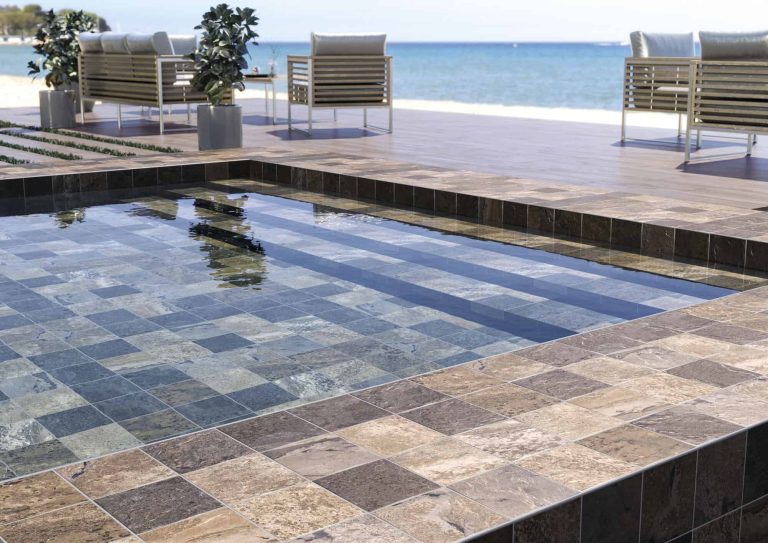
Some natural stones display multiple colors within a single piece, creating dynamic surfaces with organic patterning. Variegated stones may combine gray, beige, and rust tones, or feature subtle veining that adds movement across large surfaces.
These stones are often used as focal materials in pathways, feature walls, or decorative accents. Their complexity reduces the need for additional ornamentation, as the stone itself becomes a central design feature.
How to Choose the Right Stone Color for Your Landscape
Selecting natural stone color involves more than personal preference. A thoughtful approach ensures that the material supports both aesthetic goals and environmental context.
Aligning with Design Style
Contemporary designs typically benefit from cooler tones and consistent color ranges, while traditional or tropical landscapes often pair better with warmer, earth-based hues.
Matching stone color with existing structures helps maintain visual continuity between indoor and outdoor spaces.
Coordinating with Vegetation and Water Features
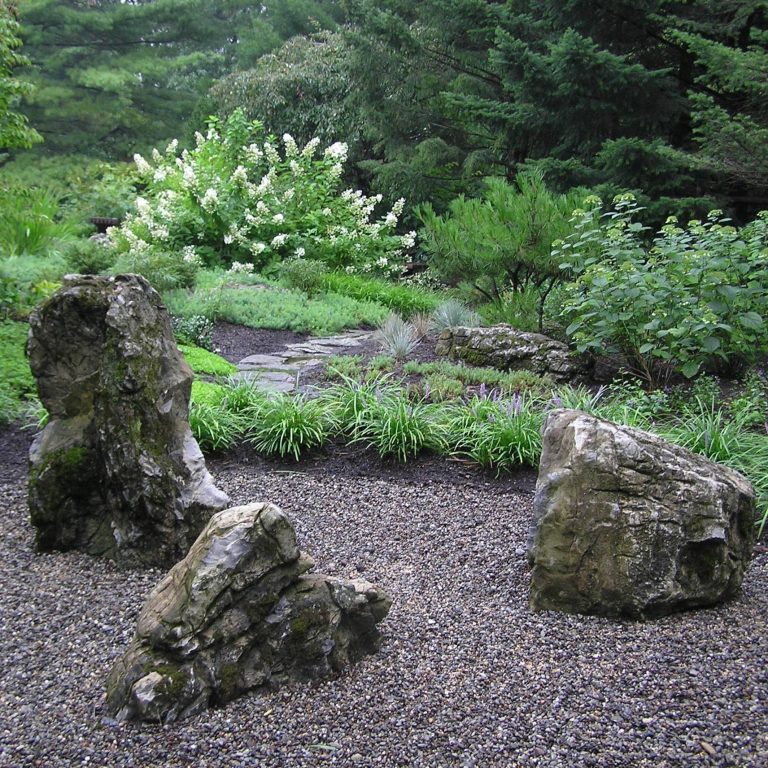
Plants, lawns, and water elements introduce strong visual colors that interact with stone surfaces. Lighter stones highlight greenery by creating contrast, while darker stones provide a dramatic backdrop for water reflections.
When selecting stone color, consider how seasonal plant changes will affect the overall palette throughout the year.
Considering Lighting Conditions
Outdoor lighting conditions significantly influence how stone color is perceived. Direct sunlight intensifies warm tones and enhances texture, while shaded areas may soften color contrast. Artificial lighting can further alter visual perception at night.
Testing stone samples in their intended environment helps ensure the selected color performs as expected under varying light conditions.
Managing Color Variation Expectations
Because natural stone inherently varies in tone, reviewing multiple samples is essential. Designers often blend stones from different batches to achieve balanced distribution of color across a surface. Planning for variation ensures a cohesive result while preserving natural authenticity.
Natural stone color variations are not merely visual details but defining characteristics that shape the identity of a landscape. By understanding the elements that make them up, designers and homeowners can choose materials that align with the architectural style, natural environment, and long-term design vision.
Explore a wide selection of natural stone options by visiting Bali Stone Tiles and discover materials that match the exact color character your landscape design requires.
Frequently Asked Questions
1. Why does natural stone have different colors?
Natural stone varies in color due to mineral composition, geological formation, and environmental exposure over time.
2. Do color variations affect stone quality?
No, variation is a natural characteristic that indicates authenticity rather than a flaw in the material.
3. Which stone colors work best for modern landscapes?
Gray and charcoal tones are popular for modern designs because they create clean, balanced visual contrast.
4. Can natural stone color change over time outdoors?
Yes, sunlight and weather may subtly enhance tone and character, creating a richer natural appearance.
5. How can I choose the right stone color for my project?
Consider architectural style, surrounding plants, lighting conditions, and the desired overall atmosphere.