Have you ever imagined a building that is not only beautiful in architecture, but also “friendly” to nature? With climate change issues and rising environmental awareness, the trend of sustainable construction is no longer just a discussion. It is the future. Choosing eco-friendly building materials not only helps reduce negative impact on the earth, but can also save long-term costs.
Public Awareness of Eco-Friendly Materials
Awareness of building healthier homes or buildings with minimal environmental impact has increased in recent years. Many people are starting to look for eco-friendly building materials because they are considered more efficient, durable, and help reduce waste.
In addition, these materials often make homes feel more comfortable and more energy-efficient. Some of them even make a house look more aesthetic and unique.
Buildings that are very suitable for this type of material include cafés, villas, food courts, and restaurants with natural or ethnic concepts.
What Are Eco-Friendly Materials?
Eco-friendly building materials are construction materials designed to reduce negative environmental impact throughout their life cycle, from production, installation, use, to recycling. These materials are generally energy-efficient, recyclable, low-emission, and support the green building concept that is growing in Indonesia.
In a tropical climate, eco-friendly materials also help keep indoor temperature more stable, reducing the need for air conditioning and electricity consumption. Therefore, choosing materials is not only about strong structure, but also comfort, energy efficiency, and increasingly strict environmental regulations.
Several Eco-Friendly Materials Commonly Used for Luxury Villas
Eco-friendly building materials come in many forms, from recycled concrete, certified wood, to metals that can be recycled many times.
The choice of material usually depends on the function of the building, project location, and architectural design. For luxury villa construction, here are some commonly used materials:
Natural Stone
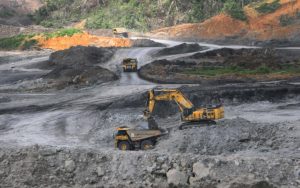
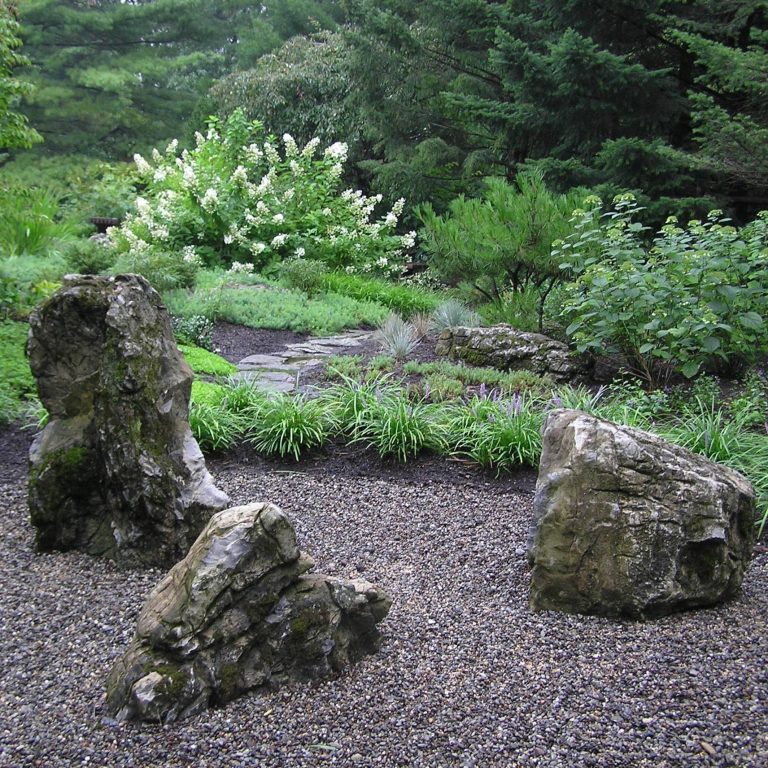
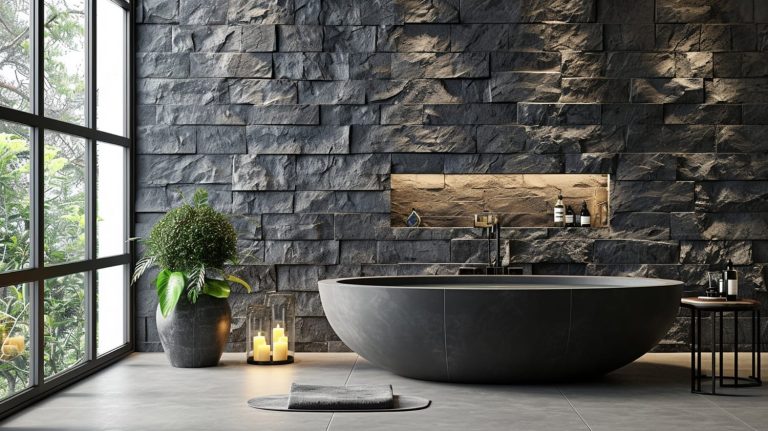
Stone is naturally formed on earth and can be used as construction material and household furniture, including for luxury villas.
Stone is durable, low-maintenance, and very versatile, producing little to no waste during construction.
Because of its strong durability, the lifespan of natural stone can reach hundreds of years. No wonder stone is often considered highly sustainable.
Since stone is naturally formed, it doesn’t require factory production, making it cost-efficient.
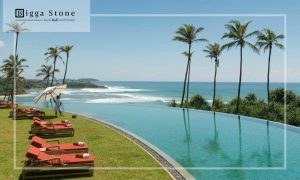
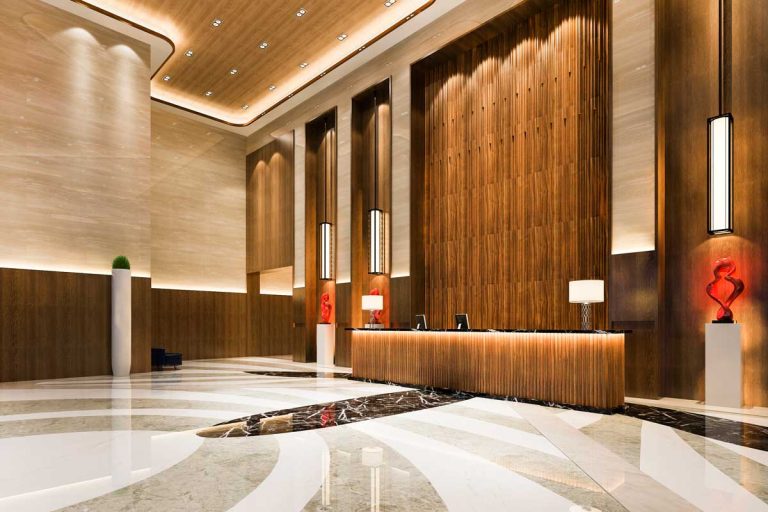
In Bali, Indonesia, stone is used as decoration to add natural accents to villas or houses. Its durability also makes it a long-term, low-maintenance investment.
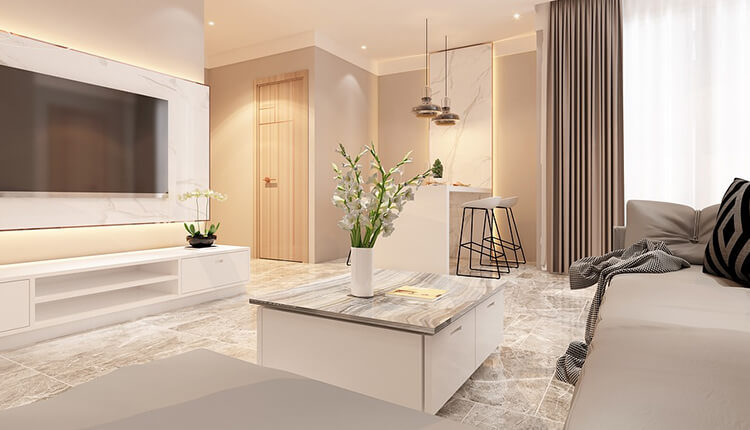
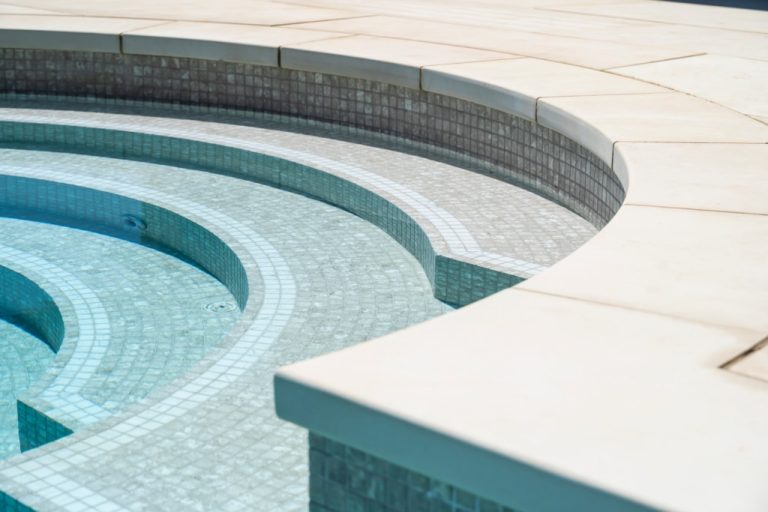
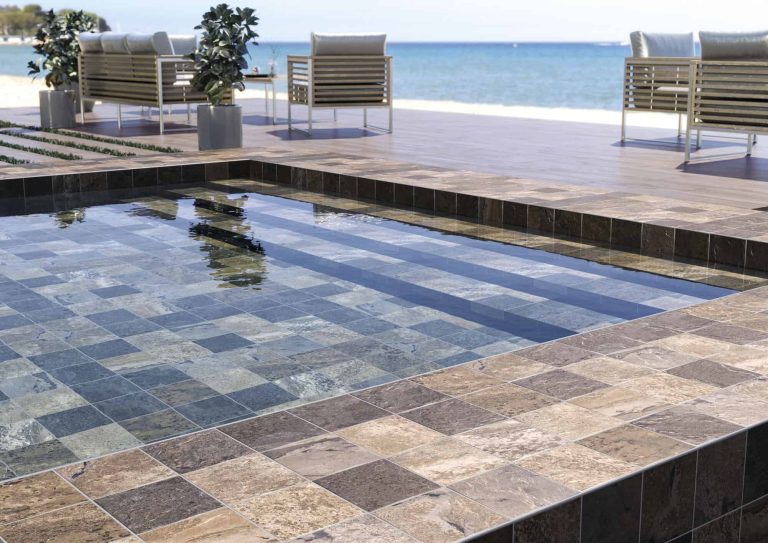
Some natural stones commonly used are andesite, travertine, limestone, paras stone, granite, slate, and marble.
Wood for Construction
Wood remains a favorite material because of its warm and natural look. However, not all wood is considered eco-friendly. For luxury villas, the wood chosen usually has legal certification such as FSC to ensure controlled logging.
This eco-friendly building material is suitable for light structures, floors, and furniture. Wood also has good insulation ability, making homes cooler without excessive energy use. In terms of comfort, wood almost always creates a calming atmosphere.
Japan has a special technique to make wood look more attractive and stronger, by burning the outer layer of the wood. This prevents decay and makes the building more durable.
Recycled Steel
Steel can be reused without losing its strength. Because of this, recycled steel is often called an eco-friendly building material for modern structures.
Its advantages are not only durability but also easy installation. Steel can be used for multi-story homes and commercial buildings such as luxury villas. Environmentally, using recycled steel helps reduce the need for new steel production, which means lower emissions.
Bamboo
Bamboo is known to grow quickly and is widely available in tropical countries such as Indonesia, Malaysia, Vietnam, and others in Asia, making it an eco-friendly construction material.
With proper processing techniques, bamboo can be used for light structures, panels, and decorative elements.
If a luxury villa is built in Asia, using bamboo helps reduce emissions from long-distance material transportation, supporting the green building principle that encourages local resource usage.
Hempcrete
One eco-friendly material used in luxury villas is hempcrete. Hempcrete is a type of concrete commonly used for building materials. It is made from hemp plant fibers that grow quickly and sustainably. It is widely available in nature.
Because of this, hempcrete is considered eco-friendly. It is produced by mixing hemp fibers with lime, resulting in a concrete-like material that is lightweight but strong enough to support heavy loads.
Clay Bricks
Aside from the materials above, some villas still use clay bricks. Clay bricks are known to be strong, stable, and weather-resistant. When produced properly, this material is considered eco-friendly because it is recyclable and comes from natural resources.
Bricks can absorb heat during the day and release it at night, making room temperature more stable. Many architects like this material because its appearance is easy to match with any design style.
Clay bricks also have good functional value, their ability to let water pass through prevents walls from decaying easily in the rain. This eco-friendly building material is often chosen for construction that prioritizes strength.
You want more tips or recommendation of natural stones? You can check Bali Stone Tiles. Visit the site here!
Frequently Asked Questions
1. What are eco-friendly building materials?
Eco-friendly materials are construction materials designed to reduce environmental impact, use less energy, and can be recycled or reused.
2. Why are luxury villas using eco-friendly materials?
Because they help reduce energy use, create a healthier living space, and make the villa more durable and cost-efficient long term.
3. What are examples of eco-friendly materials for villas?
Common examples include natural stone, certified wood, recycled steel, bamboo, hempcrete, and clay bricks.
4. Is eco-friendly material more expensive?
Some materials may cost more at first, but they often last longer and save money on maintenance and energy bills.
5. Does eco-friendly material improve villa comfort?
Yes. Many of these materials help regulate temperature, reduce heat, and make the living environment more comfortable.
6. Is bamboo strong enough for luxury villa construction?
Yes. With proper processing, bamboo is strong, flexible, and durable, making it suitable for structures and decorative elements.
7. Why is natural stone considered sustainable?
Because it forms naturally, needs no factory production, lasts for decades, and produces very little waste during construction.