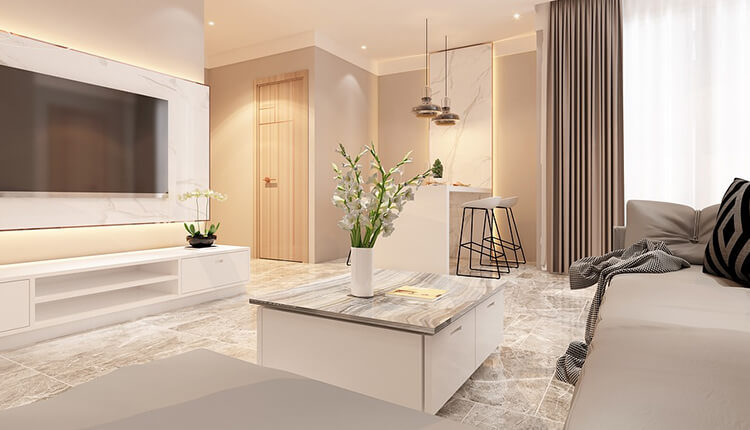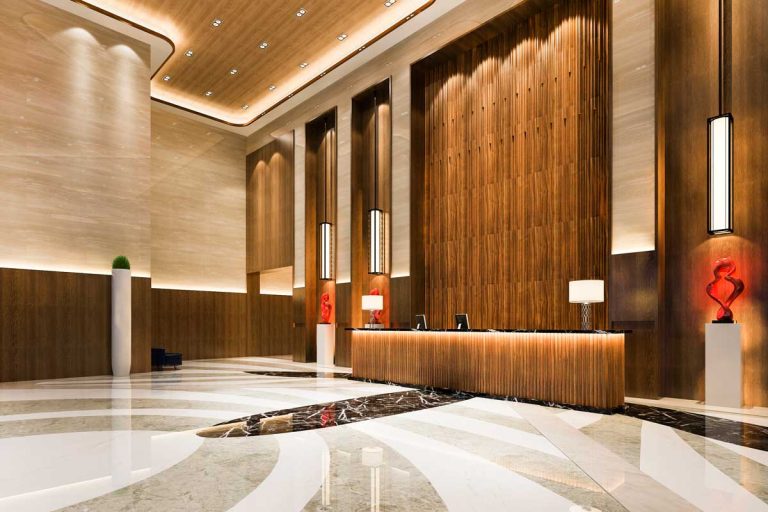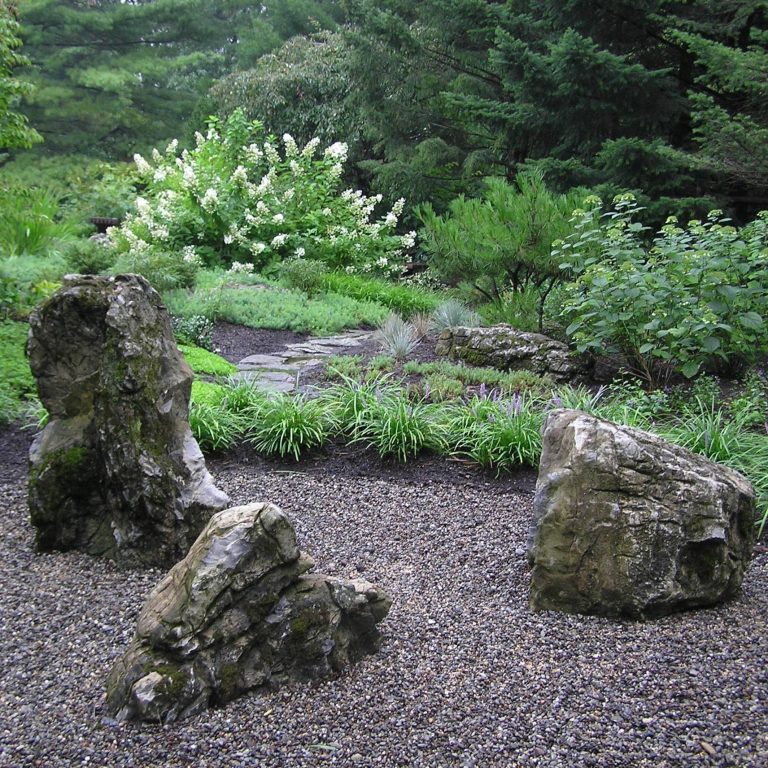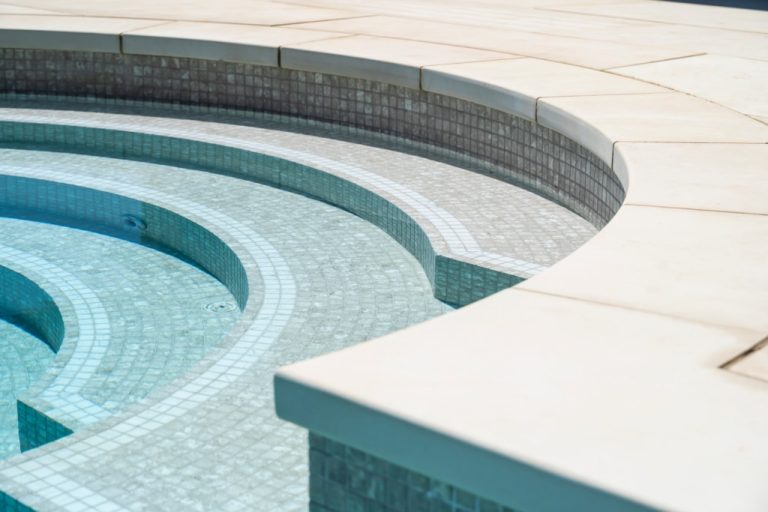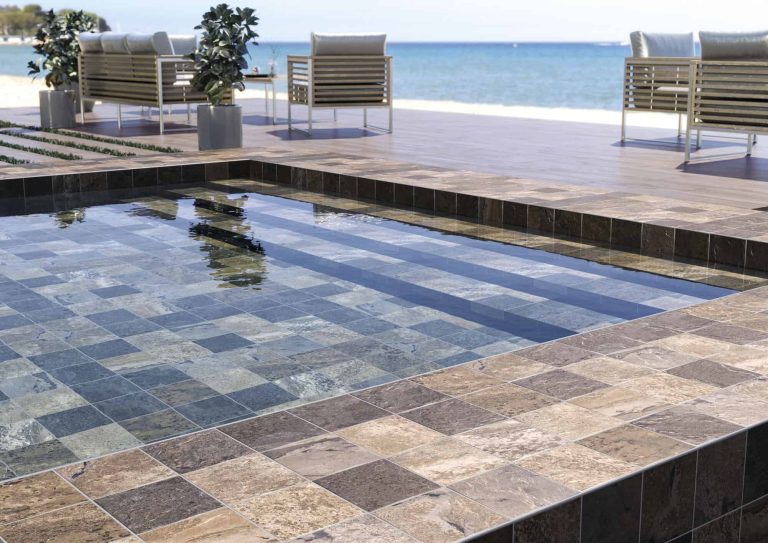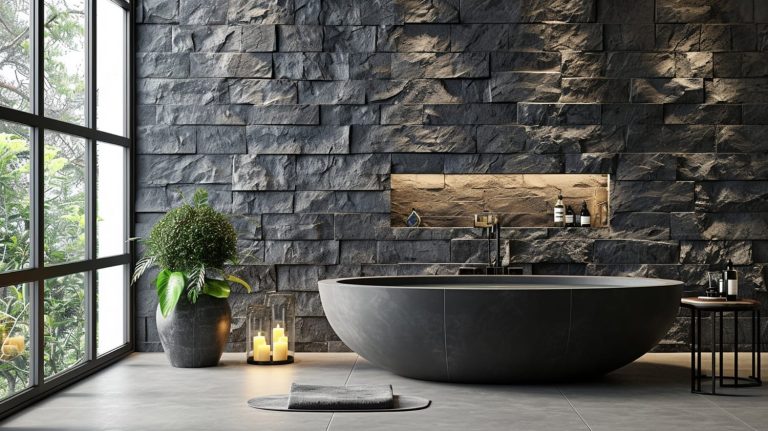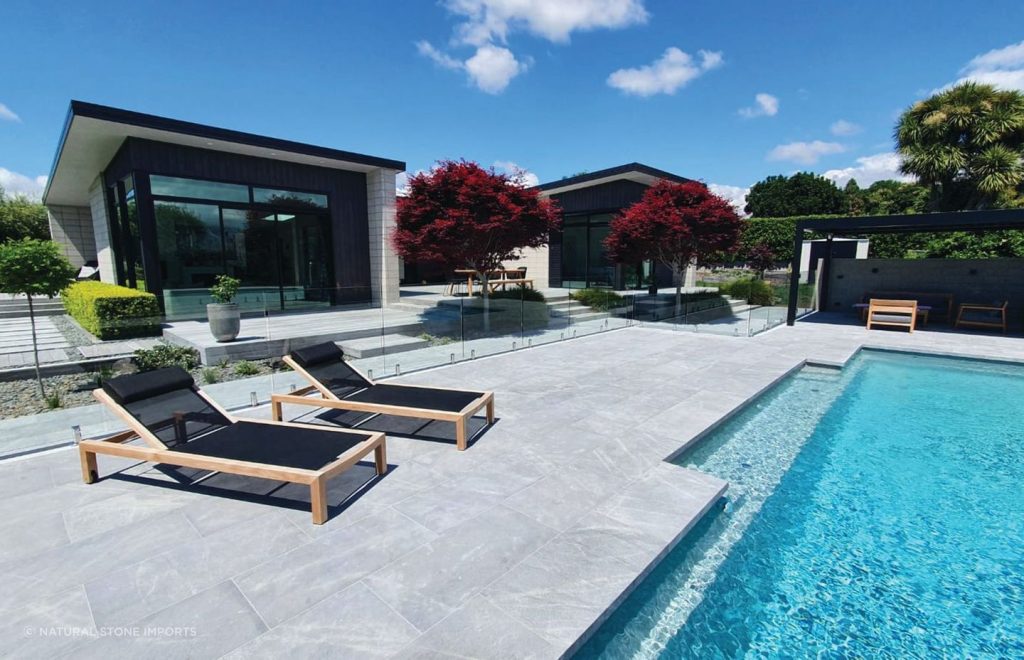
The best choice for pool coping design is to use natural stone as the base material. Your pool can be a safe place to have fun and can add value to your property as a whole. This post can be your guide to learn more about natural stone pool coping.
Why You Should Use It?
More than just for a better appearance, the benefits of natural stone for swimming pool coping go beyond that. You surely know that the function of coping is very important in a pool. You will easily slip if you choose the wrong material.
However, if it is too rough, it can actually make our feet uncomfortable when we step on it. Not all materials can offer a visually pleasing appearance. As a pool designer, I highly recommend using natural stones for coping for specific reasons.
Supporting Pool Area Safety
The first reason is how the characteristics of natural stone can avoid risks in the pool area. As you know, pool coping can often be wet and slippery if the tiles used are not suitable. You can rely on natural stone because most of them can prevent slipping effectively.
Especially for those working on public swimming pools, prioritize safety first. Choose stones that can provide effective grip but are not too rough. More than guest safety, it is also important to ensure their comfort.
Using natural stone can also prevent tiles from getting too hot during the day. You can imagine if you only use synthetic materials. Coping tiles will feel very hot and can even cause burns to guests in serious cases.
Radiating Beauty
Is aesthetics important for a pool? Of course, whether it’s a water feature or a swimming pool, it needs to be designed as attractively as possible. These areas or elements can evoke mood and provide relaxation.
What makes natural stone still widely used is that it offers timeless aesthetics. So, your pool will still look beautiful even after many years. From texture to color, it can be flexibly adapted to your pool concept.
You can imagine the difference between synthetic materials and natural materials like this. Synthetic materials cannot provide the luxurious and elegant touch that natural stone can offer.
As a Long-Term Investment
Using synthetic materials cannot guarantee long-term durability. This is different from using natural stone, which can last for decades. You don’t need to maintain it too often, let alone replace the tiles, if you use natural stones.
Yes, this will depend on the type of natural stone you choose, but it is much better than using synthetic materials. If you want to increase the value of your property, a swimming pool designed with natural stone is a good solution. Pools made with traditional materials will be considered inferior, so their selling value may decrease.
Natural stone can withstand various threats, especially weather conditions. Even when exposed to constant sunlight, this material will remain intact. You just need to know the characteristics of natural stones, which can vary.
The durability of stones can differ in terms of resistance to high temperatures, scratches, chemicals, and high pressure. Pool managers typically mix chlorine infrequently, which can cause damage to synthetic materials within just a few years. This is different from natural stone, which is resistant to environmental and chemical factors.
What is the Best Choice of Natural Stone?
Now, you need to know what natural stones to consider for swimming pool coping. We will provide the best options for you.
Limestone
Even though pool coping is exposed to high heat during the day, limestone keeps it cool. Limestone can also give your pool a classic aesthetic with its cream color. If you want it to last longer, it is recommended to seal this stone. Limestone has a fairly smooth texture, making it comfortable to walk on.
Granite
If you prioritize high durability for pool coping, granite is the option. This natural stone is resistant to weathering and scratches. Granite’s low porosity or very dense characteristics make it ideal for wet areas. To increase granite’s anti-slip properties, you can enhance its texture with a sealant.
Flagstone
If you want a more unique look for your pool, flagstone can be one of the best choices. Flagstone is characterized by its irregularity, so its size and shape vary greatly. Although it can provide a unique visual effect, flagstone may be more difficult to install and maintain.
Travertine
Travertine can add aesthetic appeal to your pool. Its varied patterns can create a unique visual effect. To ensure guest safety, travertine pool coping is also reliable.
This stone has many pores that can increase grip. However, it is recommended to add a sealant because this pool coping can easily get dirty. Moreover, its light color makes it easier to see when it is dirty.
Depending on your design vision for your swimming pool, you can choose pool coping materials from the natural stones above. If you want to get high-quality natural stones, you can rely on Bali Stone Tiles as a credible manufacturer that can deliver globally.
Frequently Asked Questions
How important is natural stone pool coping?
Pool coping made with natural stone can enhance the aesthetics and safety of visitors. Pool coping is the edge of the pool where people usually hold on to when resting between swims.
What are the restrictions in the swimming pool area?
Pool coping is not always textured ideally to prevent slipping. Therefore, running, bumping, or pushing in the pool area is prohibited.
What type of natural stone should I choose for pool coping?
Granite can provide a luxurious look and high durability for your pool coping. Meanwhile, travertine can provide high slip resistance to maintain safety.
Is natural stone worth using as a pool coping material?
Natural stone is very important for swimming pool coping because it can support a beautiful transition, is pleasing to the eye, and has essential functions. You can choose the type of natural stone according to the overall concept of the pool.
What is the most durable natural stone to choose for pool coping?
Limestone is versatile for anything, including decks or swimming pool coping. Limestone is highly resistant to sunlight and chemical exposure and also has aesthetic value.