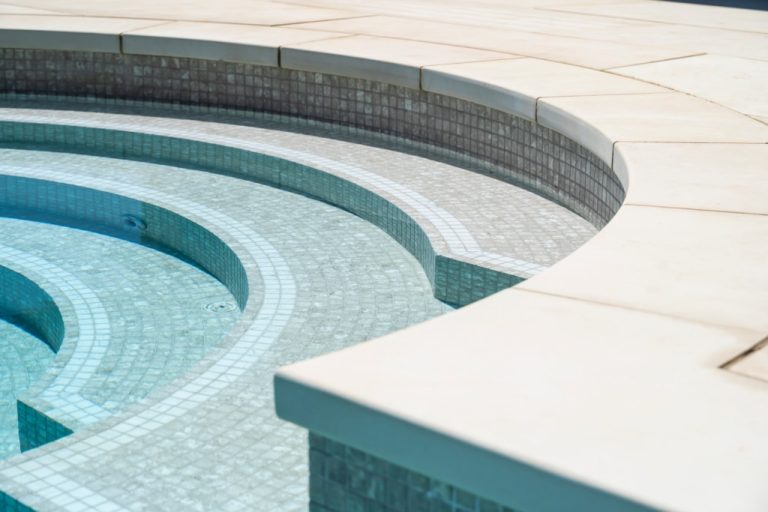
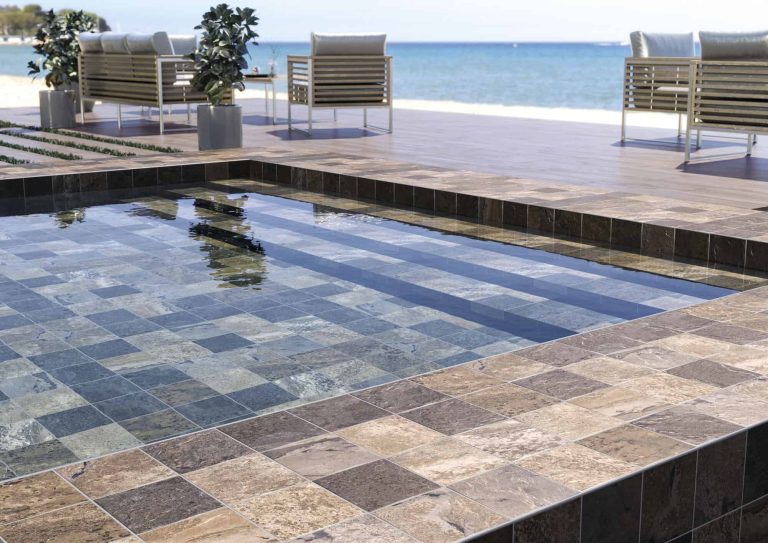
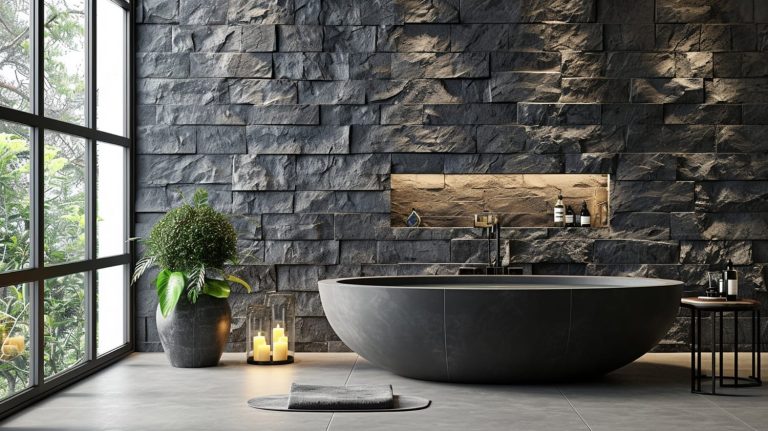
One of the most captivating elements of garden architecture is custom stone carving, a craft that transforms raw natural stone into a masterpiece of beauty and grandeur. The exquisite carvings on each face of natural stone create a sense of craftsmanship that is difficult to match with other materials.
Natural stone has long been associated with timelessness. Unlike artificial decorative elements, stone develops its character over time, interacting with the weather, light, and surrounding vegetation.
The Essence of Custom Stone Carving
Custom stone carving is the process of shaping natural stone according to a specific artistic or architectural vision. Unlike mass-produced garden ornaments, custom pieces are designed to harmonize with a particular landscape concept, spatial layout, and stylistic direction.
Designers, architects, or property owners collaborate with stone craftsmen to develop sketches, references, or digital models. From there, artisans select appropriate stone blocks and begin the meticulous work of carving, chiseling, smoothing, and finishing.
Because natural stone varies in density, grain, and coloration, each piece becomes inherently unique. Even when two sculptures follow the same design concept, subtle variations in texture and tone ensure individuality.
Types of Garden Stone Sculptures
Custom stone carving allows for a wide spectrum of garden elements, ranging from purely decorative pieces to functional architectural components. Some of the most popular applications include:
1. Figurative Garden Statues
Sculpted figures human forms, animals, or symbolic motifs serve as visual anchors within landscaped spaces. They may represent cultural traditions, spiritual themes, or simply aesthetic expressions that complement surrounding greenery.
2. Stone Relief Panels
Relief sculptures often depict natural scenes, ornamental patterns, or traditional motifs that enhance visual texture without occupying ground space.
3. Water Feature Sculptures
The carved stone fountain and basin combine flowing motion that produces soothing sounds with the artistic craftsmanship of stone carving. Water flowing across hand-carved surfaces creates a calming sensory experience while emphasizing the natural character of the stone.
4. Architectural Garden Elements
Custom stone can also form structural features such as columns, gateways, pedestals, benches, or lanterns. These elements blur the boundary between architecture and sculpture, offering both function and artistic presence.
5. Thematic and Cultural Designs
Garden sculptures often reflect specific design traditions, classical European elegance, tropical organic forms, minimalist geometry, or traditional Balinese ornamentation. Custom carving enables designers to ensure the sculpture complements and enhances the overall landscape concept.
Materials Commonly Used in Custom Garden Sculptures
The selection of stone material significantly influences both the appearance and durability of a sculpture. Different types of natural stone possess distinct structural properties and aesthetic qualities.
Limestone
Limestone is valued for its smooth texture and subtle, warm coloration. It is relatively easy to carve, allowing artisans to achieve intricate details. Over time, limestone develops a gentle patina that enhances its natural beauty.
Sandstone
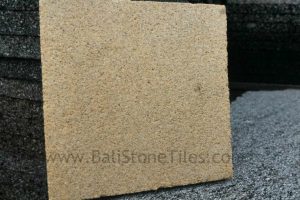
Sandstone offers a softer, earthy appearance with visible grain patterns that create organic visual depth. It is particularly suited for tropical and rustic landscape designs.
Andesite
A dense volcanic stone, andesite is known for its strength and resistance to weathering. Its darker tones create a bold, contemporary aesthetic that pairs well with modern garden architecture.
Paras Stone
Often associated with Southeast Asian craftsmanship, paras stone features a fine grain and light coloration that allows for detailed ornamental carving. It is widely used in decorative garden sculptures and architectural accents.
The Benefits of Custom Stone Garden Sculptures
The results of natural stone carvings amaze anyone. The advantages of choosing custom garden stones include not only exclusivity but also:
Uniqueness and Personal Expression
Custom carving allows property owners to translate their vision into a physical form. Whether the goal is elegance, spirituality, or artistic statement, the resulting sculpture reflects individual identity rather than standardized design.
Durability and Longevity
Natural stone is among the most durable materials available for outdoor use. Properly carved and installed stone sculptures can endure decades, often centuries, while maintaining structural integrity.
Harmonization with Nature
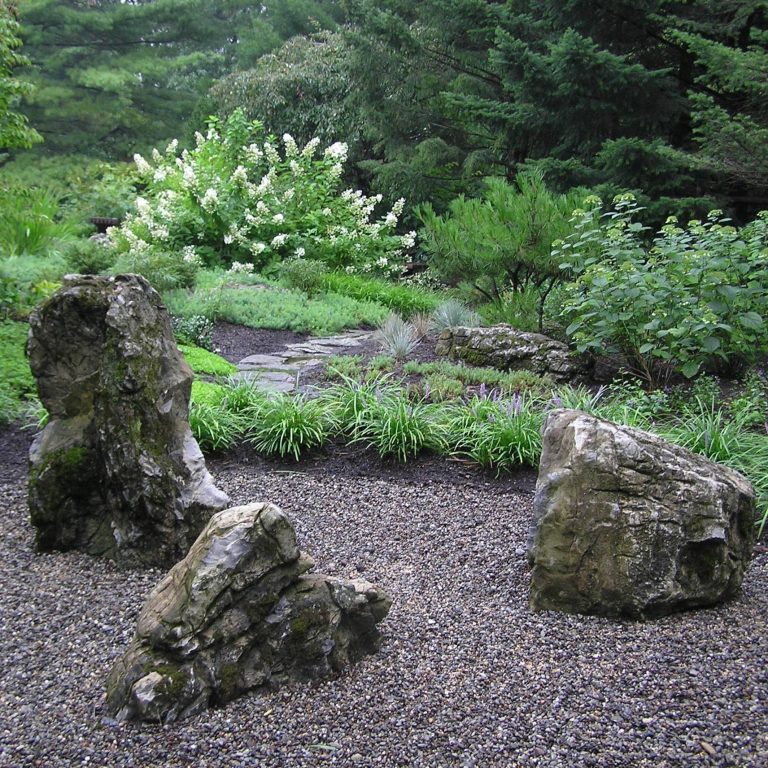
In contrast to artificial materials, natural stone blends harmoniously with surrounding plants, earth, and water elements. Its organic texture complements landscape elements rather than competing with them.
Increased Property Value
High-quality stone craftsmanship enhances perceived property value. Custom stone carvings successfully provide a luxurious and timeless impression, this cannot be found in other materials. This is what makes custom sculptures highly valued and premium landscape icons.
Low Maintenance
Stone sculptures require minimal maintenance compared to metal or composite materials. Routine cleaning and proper placement are typically sufficient to preserve their appearance.
The Customization Process
Creating a custom stone garden sculpture is a collaborative journey that integrates design vision with material expertise. Although workflows may vary, the process generally includes several key stages:
Design Consultation
Clients share ideas, references, or architectural plans. Designers and craftsmen provide recommendations regarding scale, style, and material suitability.
Material Selection
The appropriate stone is chosen based on visual preference, durability requirements, and environmental conditions. Stone blocks are inspected for structural integrity and aesthetic consistency.
Carving and Shaping
Craftsmen will transform raw natural stone into custom shapes. This stage may involve rough cutting, detailed carving, texturing, and surface refinement.
Finishing Treatment
Surface treatments such as polishing, sanding, or natural texturing enhance the stone’s appearance and protective qualities.
Delivery and Installation
Finished sculptures are prepared for safe transport and professional installation within the landscape setting.
A Timeless Investment in Outdoor Beauty
The custom sculptures in the park represent a mix of architecture, art and nature. Each piece carries the weight of tradition while serving contemporary design needs. Unlike decorative trends that fade over time, hand-carved stone maintains relevance across generations.
Custom stone statues can be used for any garden landscape, whether it is a home garden, hotel or other area that wants to look magnificent. They embody craftsmanship, permanence, and a deep connection to natural materials, qualities that elevate outdoor spaces beyond simple functionality.
If you’re looking for natural stone that can be customized to your landscape vision, consider working with an experienced natural stone specialist like BaliStoneTiles.com. Explore their offerings to discover how personalized stone carvings can transform your outdoor environment.
Frequently Asked Questions
1. What is custom stone carving for garden sculptures?
Custom stone carving is the process of shaping natural stone into unique garden features based on a specific design concept or landscape plan.
2. Which types of stone are best for outdoor sculptures?
Common choices include limestone, sandstone, and andesite, each offering durability, natural beauty, and suitability for different design styles.
3. How durable are custom stone garden sculptures?
Natural stone sculptures are highly durable and weather-resistant, making them ideal for long-term outdoor installation with minimal maintenance.
4. Can stone sculptures be designed to match my garden style?
Yes, custom carving allows full design flexibility, ensuring harmony with modern, tropical, classical, or traditional landscape themes.
5. How long does the customization process take?
Production time varies depending on design complexity, material selection, and carving detail, typically ranging from several weeks to a few months.