Luxury resorts today are no longer defined solely by opulence, they are defined by experience. Travelers expect environments that feel authentic, immersive, and connected to nature while still delivering comfort and prestige. This shift has elevated natural stone from a traditional building material into a central design feature in high-end hospitality projects.
In tropical destinations especially, designers are embracing natural stone not just for its beauty but for its durability, sustainability, and timeless appeal. As luxury hospitality evolves, so do the ways architects and developers integrate stone into their projects.
Why Natural Stone Defines Luxury Hospitality
Unlike synthetic materials, each stone surface carries unique patterns, textures, and color variations formed by nature over thousands of years. This individuality enhances the sense of exclusivity that luxury properties aim to deliver.
Beyond aesthetics, natural stone offers practical advantages that make it ideal for resort environments:
- Exceptional durability in high-traffic areas
- Resistance to tropical weather conditions
- Minimal long-term maintenance
- Thermal performance that helps regulate temperature
- Increased property value through premium material use
These benefits allow resorts to maintain visual impact while ensuring long-term operational efficiency.
Seamless Indoor–Outdoor Integration
One of the most dominant trends in luxury resort architecture is the seamless transition between interior and exterior spaces. Guests want to feel immersed in the surrounding environment, whether overlooking ocean views, tropical gardens, or mountain landscapes.
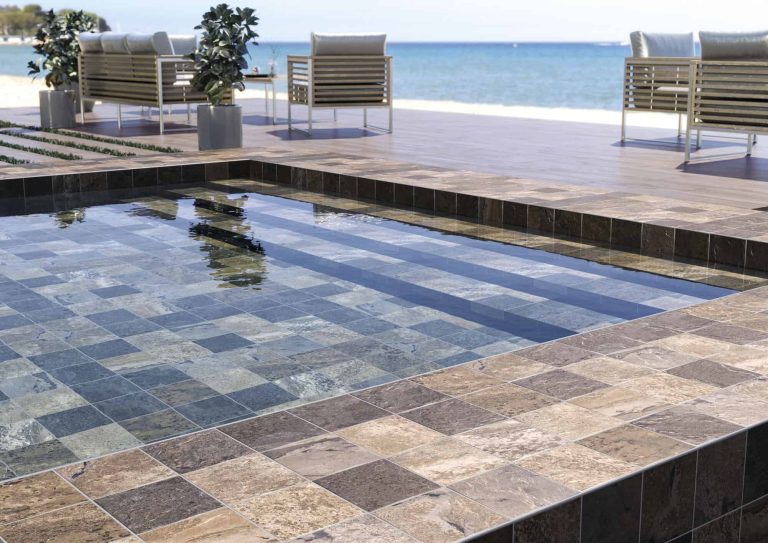
Stone materials for indoor, terrace and pool areas usually use the same type. This is done to eliminate visual boundaries and add aesthetic value. This continuity creates a cohesive spatial experience where architecture feels organically connected to nature.
Common applications include:
- Lobby floors extending into open-air lounges
- Stone pathways that connect villas with landscape elements
- Poolside surfaces that mirror interior spa materials
Large-format stone slabs further enhance this effect by minimizing grout lines and producing uninterrupted visual flow.
Textured and Tactile Surfaces
Modern luxury design is moving away from overly polished aesthetics toward surfaces that invite touch and sensory engagement. Textured natural stone delivers depth, character, and visual warmth that smooth materials cannot replicate.
Resorts are increasingly incorporating finishes such as:
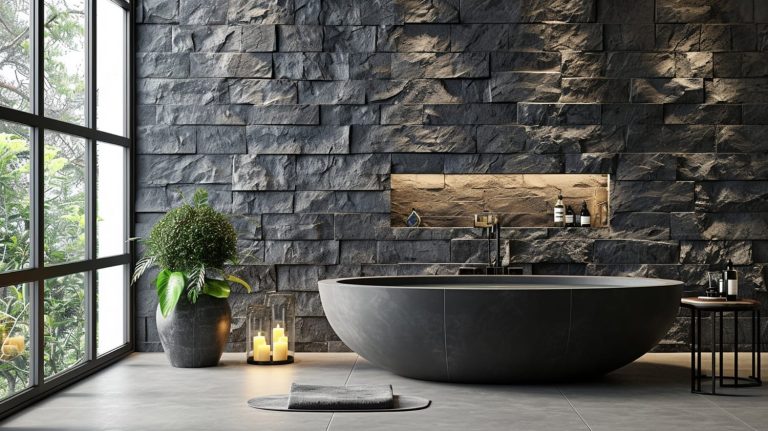
- Split-face stone for feature walls
- Honed surfaces for subtle elegance
- Flamed textures for slip-resistant outdoor areas
- Brushed stone for spa environments
- Hand-finished stone for artisanal appeal
These tactile surfaces create a layered sensory experience, making spaces feel grounded and authentic rather than artificial or staged.
Large-Format Stone Applications
Scale has become a defining element of modern resort design. Large-format natural stone tiles and slabs are now widely used to create expansive, uninterrupted surfaces that communicate sophistication and architectural confidence.
Designers frequently use large-format stone in grand entrances, infinity pool decks, and feature walls to establish a sense of monumentality. When combined with natural lighting and open-plan layouts, these surfaces create environments that feel both luxurious and serene.
Earth-Tone Palettes and Biophilic Design
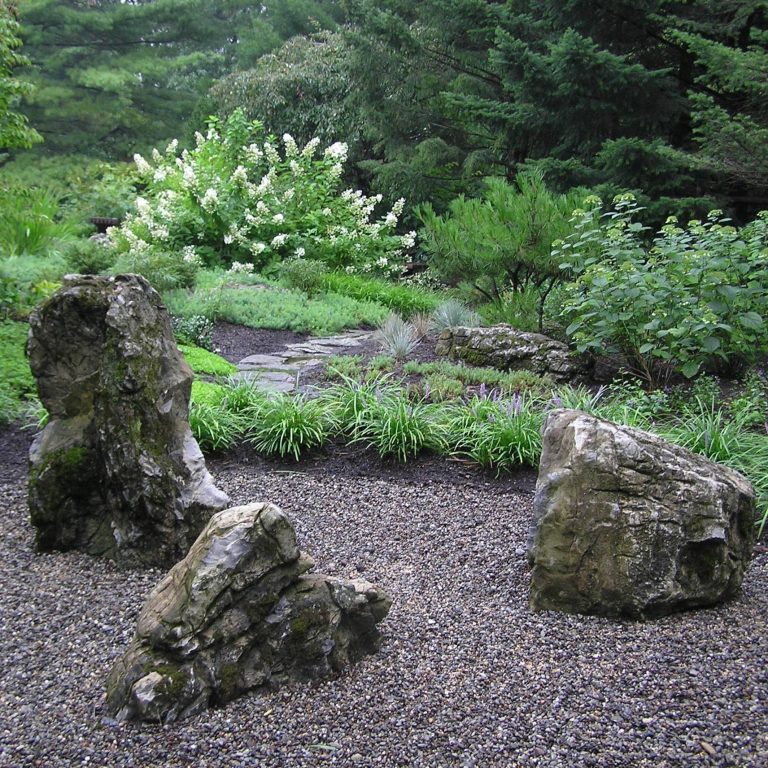
Biophilic design, the practice of integrating natural elements into architecture, continues to shape luxury resort development worldwide. Natural stone perfectly supports this approach through organic color palettes inspired by landscapes.
Popular stone tones in contemporary resort projects include:
- Warm beige and sand hues
- Soft greys reminiscent of coastal rock formations
- Deep charcoal for dramatic contrast
- Cream and ivory for refined elegance
- Subtle green undertones that complement tropical vegetation
These colors harmonize with natural surroundings rather than competing with them. The result is a calming environment that enhances guest well-being while reinforcing the resort’s connection to place.
Signature Stone Features as Design Statements
Luxury resorts are increasingly using natural stone as a defining architectural signature rather than merely a background material. Statement features create memorable visual identities that distinguish one property from another.
Popular signature applications include:
- Dramatic stone feature walls in lobby areas
- Sculptural stone bathtubs in private villas
- Monolithic reception counters
- Natural stone water features
- Carved stone screens that filter light
These elements transform stone into an artistic centerpiece, enhancing brand identity and guest perception of exclusivity.
Natural Stone in Main Resort Spaces
Placing natural stone in luxury resorts takes into account the following:
Grand Lobby Areas
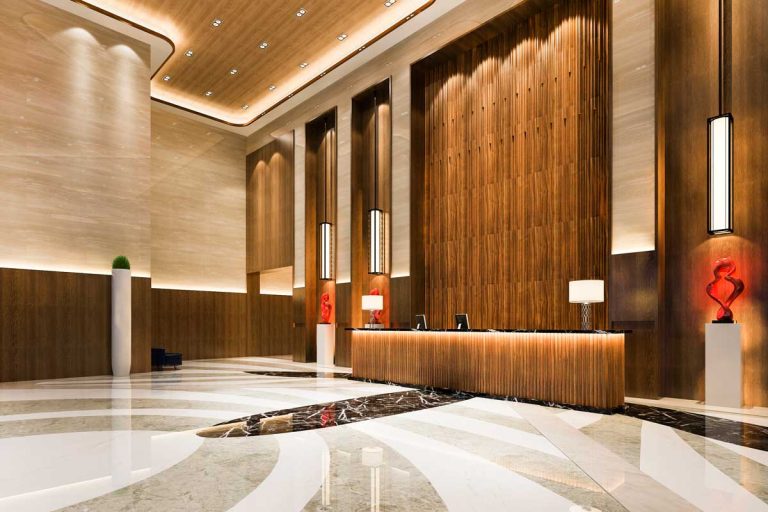
Lobby is the place where guests have their first impression. Natural stone flooring and wall cladding convey immediate prestige while establishing a connection to the surrounding environment. Designers often combine stone with warm lighting and open spatial layouts to create a welcoming yet impressive entrance.
Spa and Wellness Facilities
Stone is particularly effective in wellness environments where tranquility and sensory comfort are essential. Its natural texture, temperature stability, and organic appearance support relaxation and mindfulness.
Common spa applications include:
- Stone massage rooms
- Steam room cladding
- Hydrotherapy pool surrounds
- Stone basins and countertops
Pool Decks and Outdoor Living Areas
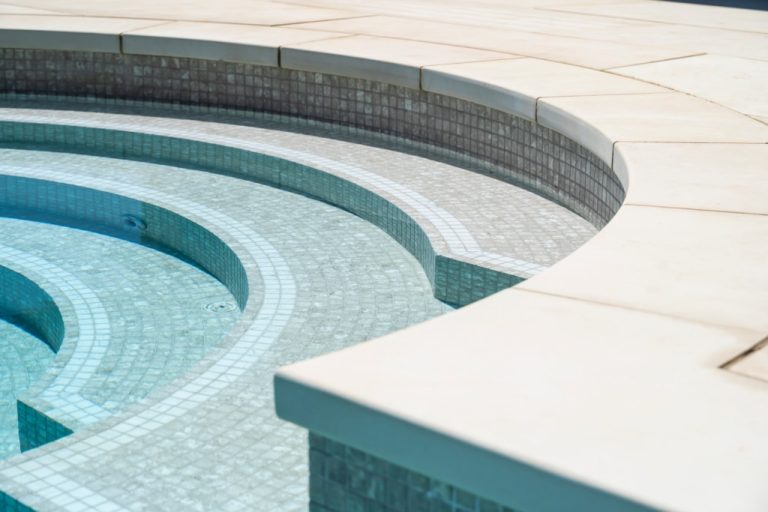
Outdoor resort spaces demand materials that combine beauty with resilience. Natural stone provides slip resistance, weather durability, and visual continuity with landscape elements. Its ability to remain cool under sunlight makes it especially suitable for tropical climates.
Luxury Bathrooms and Villas
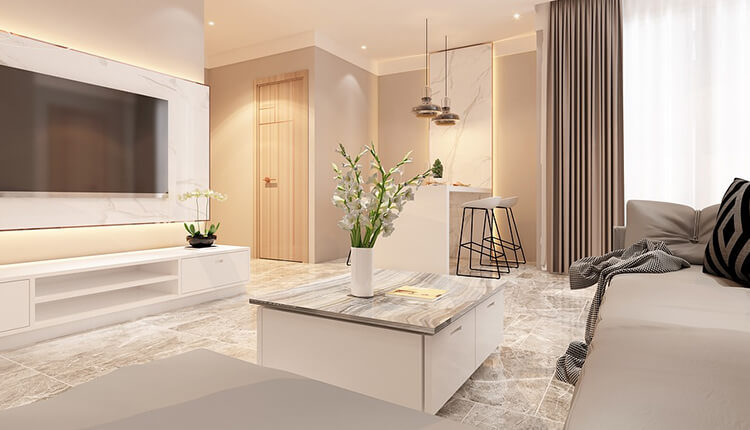
Private accommodations benefit from natural stone’s timeless elegance. From wall panels to vanity tops, stone elevates the perception of luxury while ensuring durability in humid environments.
Choosing Natural Stone for Tropical Resort Projects
Selecting the right stone is essential for achieving both aesthetic and functional success. Designers and developers should consider several factors when specifying stone for tropical environments.
Weather Resistance
Materials must withstand high humidity, intense sunlight, and heavy rainfall without deterioration or discoloration.
Slip Resistance
Outdoor areas such as pool decks and pathways require textured finishes to ensure guest safety.
Maintenance Requirements
Stone with appropriate density and finish reduces long-term maintenance costs and preserves visual quality.
Visual Harmony with Environment
The chosen material should complement local landscape characteristics and architectural style.
Professional Installation
Proper installation techniques ensure structural integrity and maximize the lifespan of natural stone surfaces.
Natural stone continues to redefine what luxury means in contemporary hospitality design. Its timeless beauty, environmental compatibility, and architectural versatility make it an essential material for resorts seeking to create meaningful, memorable guest experiences.
Discover premium natural stone solutions for your next luxury project by visiting Balistonetiles.com. Explore how the right material can elevate your resort design to a new level of sophistication.
Frequently Asked Questions
1. Why is natural stone popular in luxury resort design?
Natural stone offers timeless beauty, durability, and unique textures that enhance exclusivity while blending architecture with surrounding landscapes.
2. Is natural stone suitable for tropical climates?
Yes. Properly selected natural stone resists humidity, heat, and heavy rainfall, making it ideal for pool decks, outdoor pathways, and spa environments.
3. What finishes are best for resort applications?
Textured finishes such as flamed, brushed, or honed surfaces provide slip resistance, visual depth, and a refined natural appearance.
4. Does natural stone support sustainable construction?
Natural stone is long-lasting, recyclable, and often locally sourced, reducing environmental impact while supporting eco-conscious resort development.
5. Where is natural stone commonly used in resorts?
It is widely applied in lobbies, villas, bathrooms, spa areas, feature walls, and outdoor living spaces to create cohesive luxury experiences.