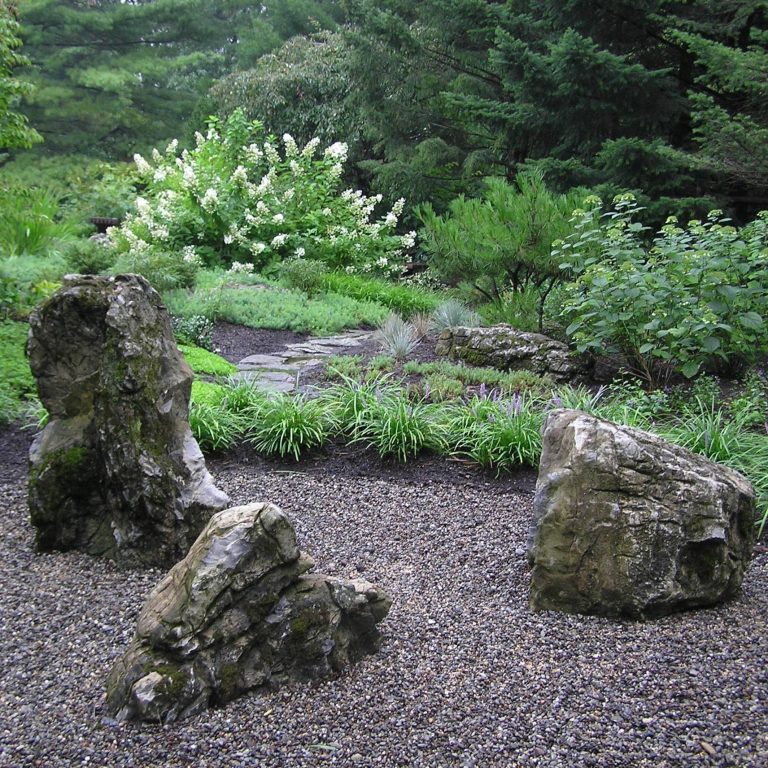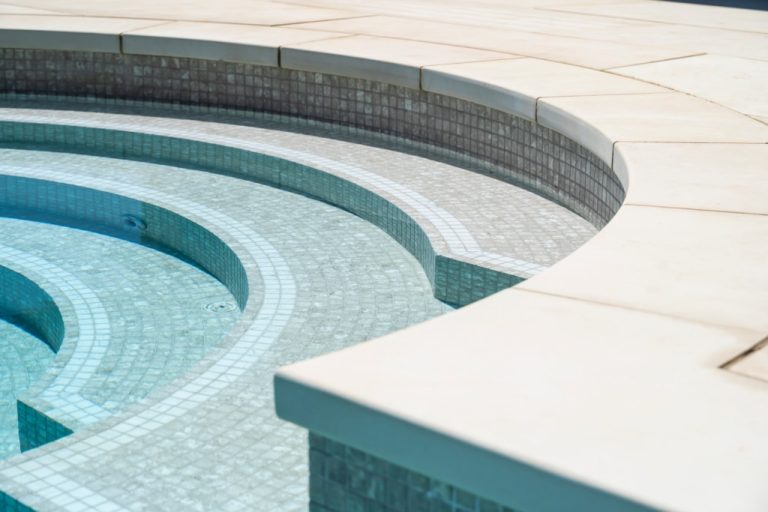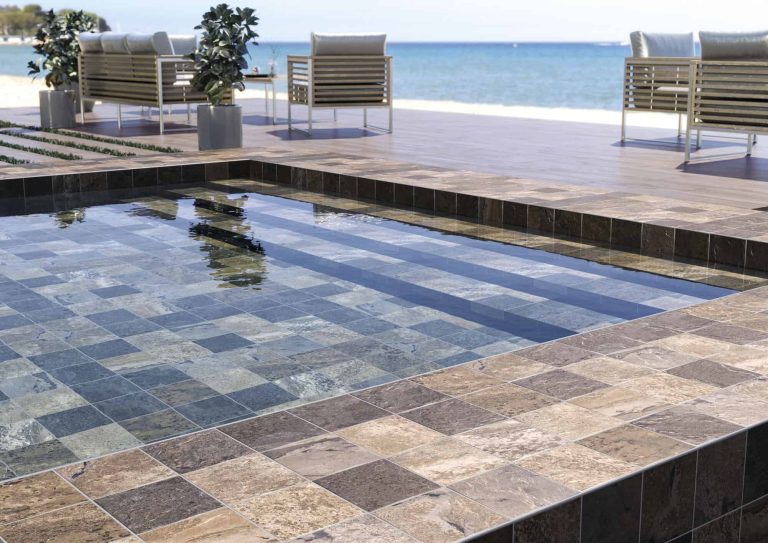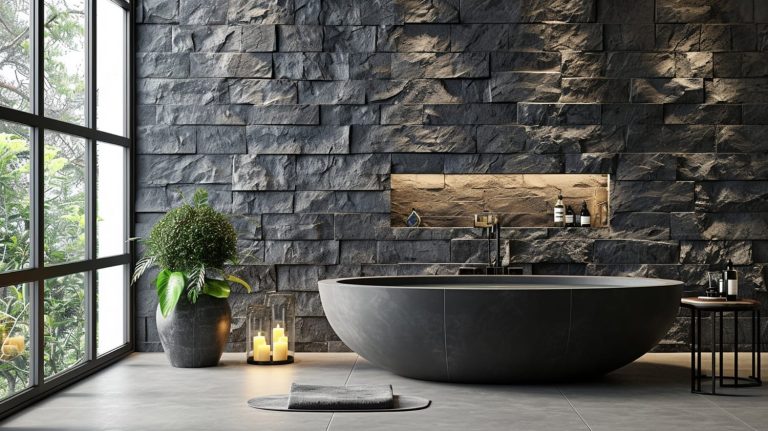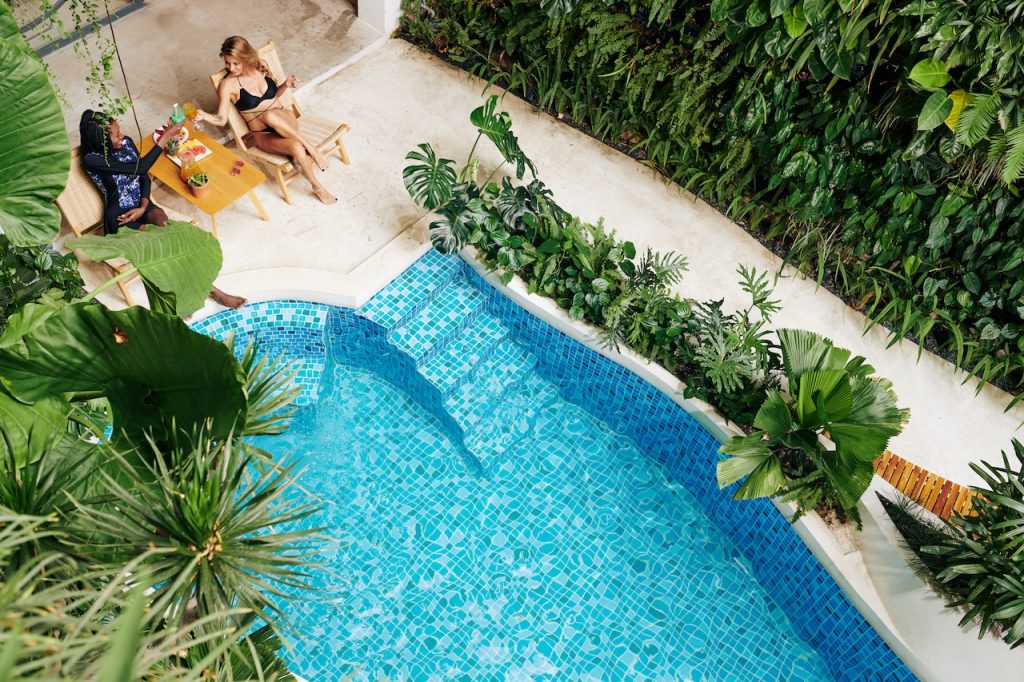
Isn’t it beautiful to see natural stones scattered around the pool area, whether on the coping or pool deck? There are various types of stones you can use for pool design. This post will share the ideal natural stones for a stunning tropical pool design.
Natural Stones for Stunning Pool Design
There are many types of stones you can consider for outdoor area design. However, not all of them are suitable for pool design. As an exterior designer, I will share with you the best stones for pool design.
Coral Stone
Because it is found in seawater, coral stone is naturally resistant to water. This stone is resistant to salt water, extreme climates, heavy pressure, and even chlorine. If your pool project is in a tropical climate, coral stone can be the best choice.
Why? Coral stone is highly durable in hot weather. You can use coral stone to design pool floors, decks, or coping. Another advantage of coral stone is that it is non-slip, easy to shape, and resistant to heavy pressure.
Granite
When discussing the strongest natural stone, granite is one of the answers. Many exterior designers use this stone, and the results can last for years in pools with well-maintained visuals. Granite is suitable for use in minimalist pools.
You can add a European design touch by using granite in your pool. So, what are the other benefits of granite for swimming pools? More than just being sturdy, granite is also scratch-resistant, easy to maintain, non-slip, and resistant to mold caused by extreme weather.
Green Stone
What is green stone? Originating from Indonesia, green stone is used worldwide and is often used in pool designs. There is a unique feature that makes green stone a popular choice.
Its color can change to become more elegant when exposed to water. When not in water, its color appears pale green at first glance. Meanwhile, green stone in water transforms into a stunning emerald green. More than just aesthetics, green stone also offers the advantage of being a natural purifier.
Using green stone in swimming pools can help eliminate bacteria and purify water due to the zeolite compounds in the stones. You can find green stone in many hotels, not only in Indonesia. You can use green stone to design the pool floor or walls.
This stone has a natural color, so you don’t need to paint anything. Green stone is also resistant to high pressure and is non-slip, ensuring safety in the swimming pool.
Andesite Stone
Andesite stone is usually more often used for pool edge designs, but is also flexible for other pool areas. You can get a pool with a more assertive or masculine vibe by using this stone because of its monochrome color.
One of the main advantages of andesite stone is its sturdiness. Compared to other natural stones, andesite stone has a hard, dense characteristic. Andesite stone has a rough texture, making it suitable for installation in swimming pools.
The black or dark gray color of andesite stone can prevent the pool from looking dirty. If you order andesite stone and have some left over, you can use it for other home projects because it is very versatile. Another advantage of using andesite stone for pools is that it is resistant to moss and mold.
Limestone
Limestone is often considered for construction projects. But is limestone also suitable for exterior projects such as swimming pools? Limestone is one of the most durable stones because it is sturdy.
You can use limestone for the main elements of a building or simply as decoration. Limestone comes in a variety of colors, from gray, white, brown, to pale yellow. The advantages of limestone for pool design include its resistance to extreme weather, ease of shaping according to your pool preferences, and its low water absorption.
Black Lava Stone
This stone is very famous in Indonesia. In Indonesia, black lava stone is known as “Pedra Hitam”. If you want to add an elegant touch to your pool, this stone is the best choice. You can use it to design walls, tiles, or other areas in your swimming pool.
Using black lava stone can also make your pool stand out from many other pools. You can find this stone in many hotels and resorts in Indonesia. A fact about black lava stone: this stone is formed through high temperatures in the earth’s core, making it very sturdy.
Black lava stone is resistant to rain, drought, heat, and water. Although not as dense as andesite, black lava stone is still ideal for your pool project. This stone has small holes that prevent it from absorbing heat easily and avoid a slippery surface. Even when it’s raining, a surface with black lava stone will not easily cause us to slip.
Get carefully selected and quality-controlled natural stones from Balistonetiles.com.
Frequently Asked Questions
What natural stone should I use for a pool?
You can choose between granite, quartzite, or travertine as natural stones for your pool design. All of these stones are excellent choices because they are slip-resistant.
Can I design a pool with natural stones?
You can use natural stones to design any area, including pools. What natural stones offer are a comfortable vibe, slip resistance, and stunning visuals.
What natural stones are suitable for freeze-thaw pools?
Choose stones for the deck that do not absorb water quickly. You can choose the best stones for pools, such as porphyry, granite, and basalt.
Why should I design a pool with natural stones?
Natural stone has high durability and can enhance the aesthetics of your pool. These stones have a textured surface that can improve traction or prevent people from slipping on them.
What stones are water-resistant?
Granite is one of the stones commonly used in wet areas like swimming pools. Granite is water-resistant, dense, and durable, lasting for years in bathrooms or pools.
Can natural stone be damaged by chlorine?
It is not recommended to use chlorine on natural stone as it can damage the protective layer or degrade the surface. Chlorine can also alter the color of natural stones.