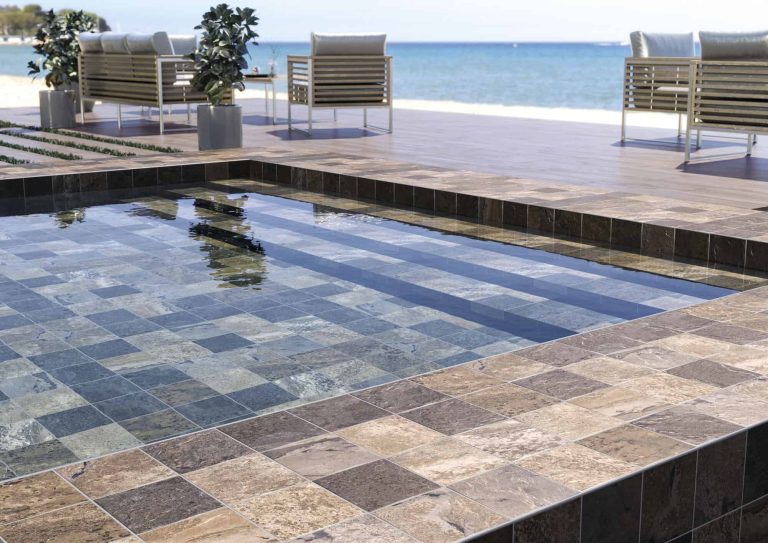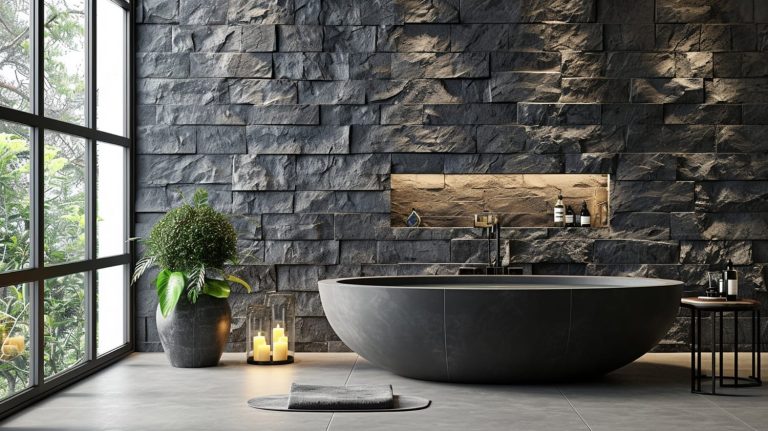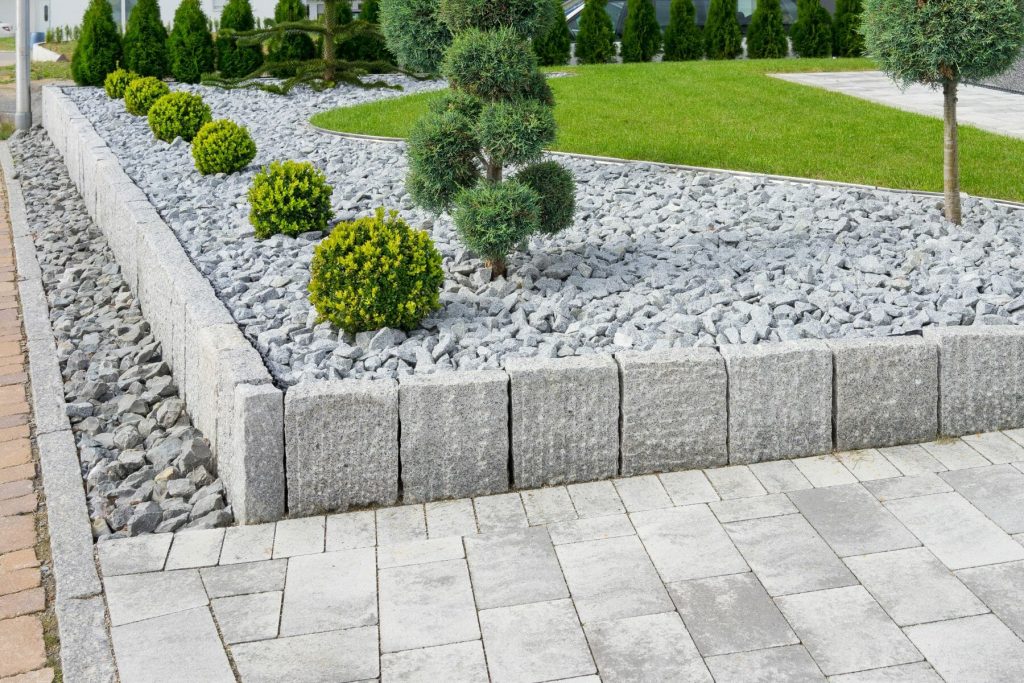
Ivory cream limestone and black lava stone are often used for exterior design. Both are excellent materials for paving paths. To choose between the two, you need to know what makes them superior. This post can be a guide for you to choose between limestone and lava stone for designing outdoor areas.
About Lava Stone and Limestone for Outdoor Materials
There are certain requirements for outdoor materials, including scratch resistance, water resistance, and slip resistance. Lava stone is one of the superior natural stones for outdoor areas because it is slip-resistant. Meanwhile, limestone is more vulnerable or softer than lava stone.
Because it is formed from the depths of the earth, lava stone can handle high temperatures better. You can use lava stone for paving paths that are often exposed to the sun. Although limestone has an aesthetic that is loved by many people, it requires more intensive care when placed outdoors.
Limestone can give your home a soft feel. You can still rely on this stone for outdoor areas because it is slip-resistant. You just need to know which specific areas are more ideal for using limestone. For example, garden paths or patios.
Limestone and Lava Stone Characteristics
Lava stone has a dense texture, making it suitable for areas with intense activity. Even under high pressure, lava stone will remain intact. The natural pores in lava stone make it less likely to cause slipping.
If you need material for wet areas that are frequently traversed, lava stone can be one of the best options. Lava stone has a darker color than other stones, making it more reliable for withstanding high temperatures. The surface will remain cool even when frequently exposed to sunlight, making it more comfortable to walk on than other stones.
Limestone has a porous surface that can increase grip and has a natural aesthetic that many people like. Its color is very different from lava stone, which tends to be dark. Limestone’s color palette tends to be light, making it suitable for indoor or outdoor use. You can make a space feel more elegant by using limestone as a material.
Comparing Lava Stone and Limestone for Outdoor Area Design
Before using limestone or lava stone for paving paths or other applications, you should understand both materials in depth. As an exterior designer, I will explain more about both. You can compare lava stone with limestone based on the following aspects:
Texture that Provides Slip Resistance
Both stones provide slip resistance, but lava stone is better. Its natural pores and rough texture allow lava stone to grip your feet better. If you want to add a layer to areas that are often wet, lava stone is worth considering.
Limestone has a smoother surface, so its anti-slip capability is lower than that of lava stone. You can add a layer of limestone to improve its anti-slip properties.
Clear Visual Differences
Even at a glance, you can tell which is limestone and which is lava stone because their appearances are clearly different. If you prefer a dark-colored surface, lava stone can be an option. This stone has a contemporary feel and is very suitable for outdoor areas that are often dirty.
Meanwhile, if you prefer a softer look, limestone may be a better choice. This stone has a traditional appearance but is still relevant to current exterior trends. The light color of limestone can add elegance to an area. It depends on your priorities for the look of the area.
Whether you want a modern and bold look or a more classic and soft one. It all depends on your preference in choosing between the two.
How Weather-Resistant Are They?
Between lava stone and limestone, which is more weather-resistant? Its volcanic background is the scientific reason why lava stone has high durability. Lava stone does not break or crack easily, making it ideal for outdoor areas that are frequently used by people.
Not only can it withstand high pressure, but it is also weather-resistant. Whether it’s extremely hot or raining heavily, it’s not a problem if the paving is made with lava stone. Meanwhile, limestone has more pores and is more susceptible to weathering than lava stone.
But it’s up to you whether you want to maintain aesthetics or not for outdoor areas, because limestone can provide that.
How Easy Is It to Maintain?
If you choose a material that is easy to maintain, you don’t need to bother buying sealant or checking it often. The dark color of lava stone makes it difficult to see when it is dirty. You may also find it difficult to tell if your paving is dirty or not if you use lava stone.
Even though it can hide dirt well, you still have to clean it regularly. Meanwhile, if limestone is dirty, you can see it clearly because of its lighter color. In essence, limestone is not more durable than lava stone and needs to be cleaned often so as not to damage its appearance.
If you need high-quality lava stone or limestone, you can get it through Bali Stone Tiles. Visit the site here!
Frequently Asked Questions
How long does lava stone last?
Lava stone is a durable natural stone; you can use it for years without significant changes.
Why use lava stone?
Lava stone provides a natural thermal solution and is resistant to various weather conditions. You can install lava stone on garden paving, but it is also flexible for use in other areas.
What are the main characteristics of lava stone?
The main characteristic of lava stone is that it has pores on its surface. There are at least two main colors for lava stone, namely black and red.
What makes limestone popular?
Limestone is easy to cut and apply, making it flexible to suit your outdoor project needs. This stone is also readily available due to its high supply and lower price compared to many other natural stones.
Does limestone absorb water easily?
The pores in limestone make it absorb water easily and affect its density. It’s better to use a honed finish or sealant to make it more weather-resistant.
Is limestone commonly used in construction?
Yes, limestone is one of the most popular stones used in construction due to its hard texture, abrasion resistance, and affordability. Limestone also has aesthetic advantages, making it a common choice for house walls.