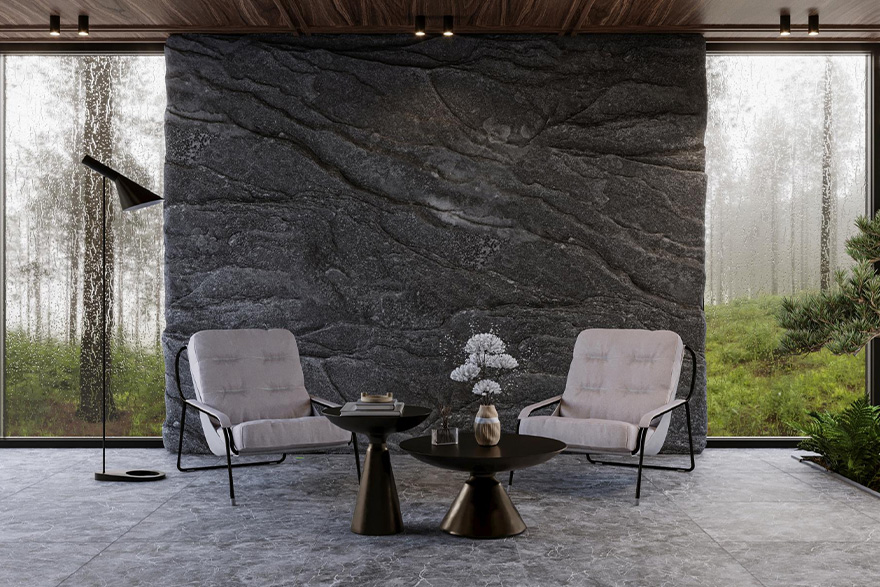
Modern architecture and landscape design prioritize how materials perform under heat, and it’s a key factor. From sun-exposed terraces to pool decks and outdoor kitchens, surfaces must withstand high temperatures without losing structural integrity or visual appeal.
Among natural materials, volcanic stone has earned a strong reputation for its exceptional heat resistance, durability, and timeless aesthetic. Formed under intense geological conditions, this material is uniquely suited to environments where thermal stability matters most.
This article explores why volcanic stone demonstrates superior heat resistance, how it performs in extreme conditions, where it is best applied in design, and how proper maintenance ensures long-term performance.
What Makes Volcanic Stone Heat Resistant
The heat resistance of volcanic stone is rooted in its mineral composition and microstructure. Several scientific factors contribute to this performance.
1. Dense Crystalline Structure
Volcanic stone is composed of tightly interlocked mineral crystals formed during rapid cooling. This compact structure minimizes internal voids that can trap heat or moisture. As a result, the material distributes thermal energy evenly, reducing the likelihood of localized stress points that cause cracking.
2. High Melting Point Minerals
Minerals commonly found in volcanic stone, such as feldspar, pyroxene, and olivine, have high melting points. These minerals remain stable even under prolonged heat exposure, allowing the stone to maintain its structural integrity in environments where other materials might weaken.
3. Low Thermal Expansion
All materials expand when heated, but volcanic stone expands at a relatively low and stable rate. This means it can endure repeated heating and cooling cycles without developing structural fatigue or surface fractures.
4. Natural Heat Dissipation
Volcanic stone absorbs heat slowly and releases it gradually. This property helps prevent rapid temperature spikes on the surface, making it safer and more comfortable for applications such as paving and poolside areas.
Performance Under Extreme Temperatures
One of the most important advantages of volcanic stone is its consistent performance in extreme environmental conditions.
Resistance to Direct Sun Exposure
Volcanic stone maintains structural stability even under intense ultraviolet radiation and surface heating. Unlike some stones that discolor, weaken, or become brittle, volcanic stone preserves both strength and appearance.
Tolerance of Rapid Temperature Changes
Thermal shock occurs when materials experience sudden temperature fluctuations. For example, a hot surface exposed to rain or cooling air may crack if it cannot adapt quickly. Volcanic stone’s stable mineral structure allows it to withstand such transitions with minimal risk of damage.
Suitability Near Fire and Heat Sources
Because of its origin in molten lava, volcanic stone is naturally adapted to high-temperature environments. It performs reliably in outdoor kitchens, fire pit surrounds, and architectural features located near heat-generating elements.
Long-Term Structural Stability
Repeated heating and cooling cycles often lead to microfractures in less stable materials. Over time, these small fractures expand and cause visible deterioration. Volcanic stone resists this process, maintaining durability over many years of exposure.
Applications in Architecture and Design
Thanks to its thermal resilience and aesthetic versatility, volcanic stone is widely used in both residential and commercial design. Its performance under heat makes it particularly valuable in outdoor environments.
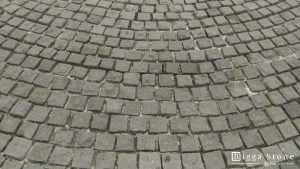
Outdoor Paving and Walkways
Volcanic stone is an excellent choice for patios, garden paths, and public walkways exposed to strong sunlight. Its stable surface reduces the risk of cracking, while its natural texture provides slip resistance.
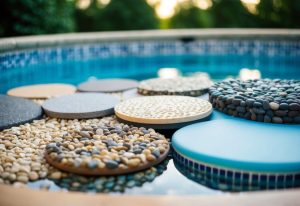
Pool Decks and Water Features
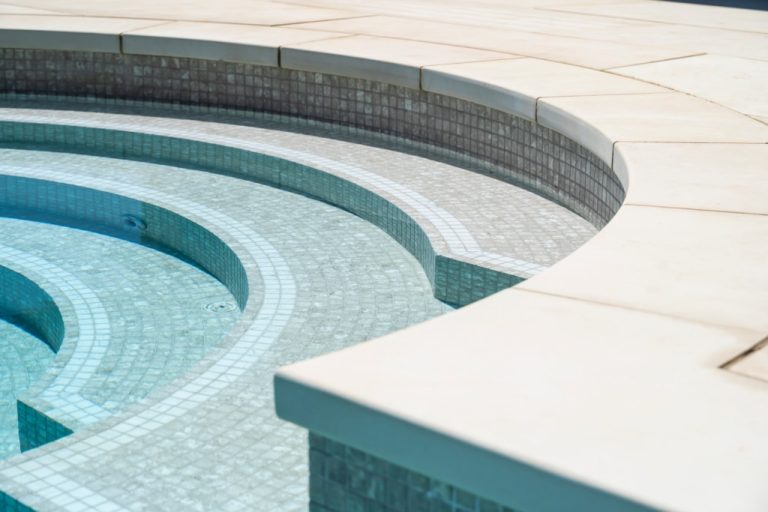
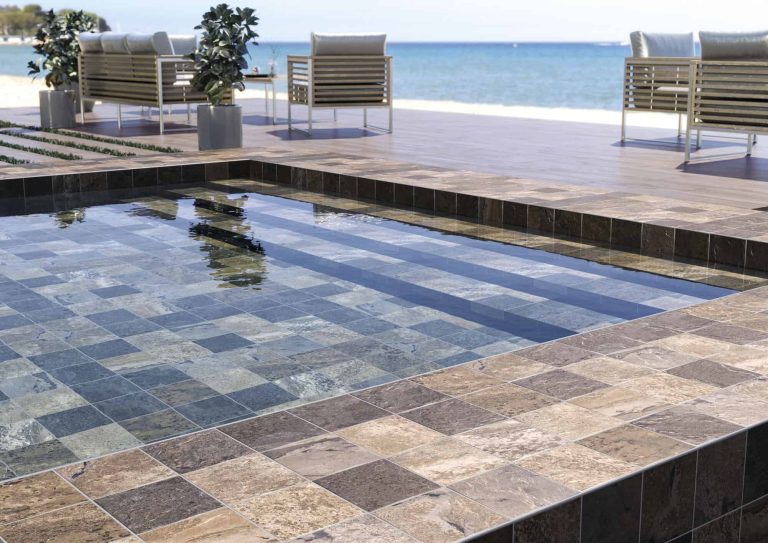
Surfaces surrounding pools experience constant exposure to heat, moisture, and temperature changes. Volcanic stone performs well in this environment due to its durability and ability to maintain structural integrity despite thermal stress.
Wall Cladding and Facades
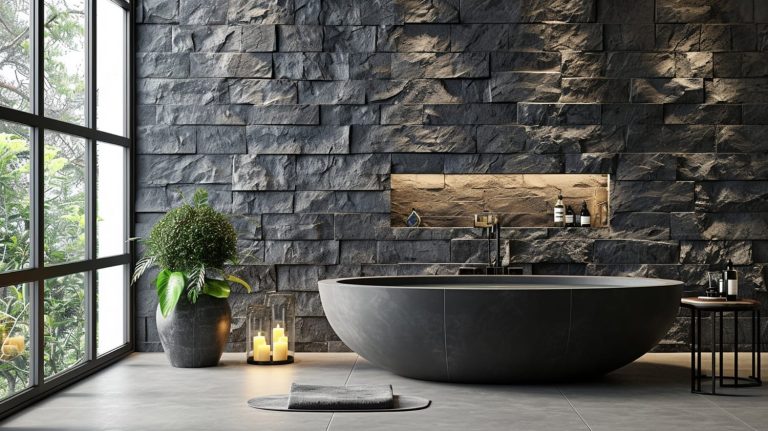
Exterior walls must withstand environmental extremes without warping or deteriorating. Volcanic stone cladding provides both thermal stability and a natural, refined appearance that complements contemporary and traditional architecture.
Outdoor Kitchens and Fire Features
Areas near grills, fire pits, and cooking installations require materials that can tolerate direct heat exposure. Volcanic stone’s natural origin makes it a reliable option for these applications.
Landscape Elements
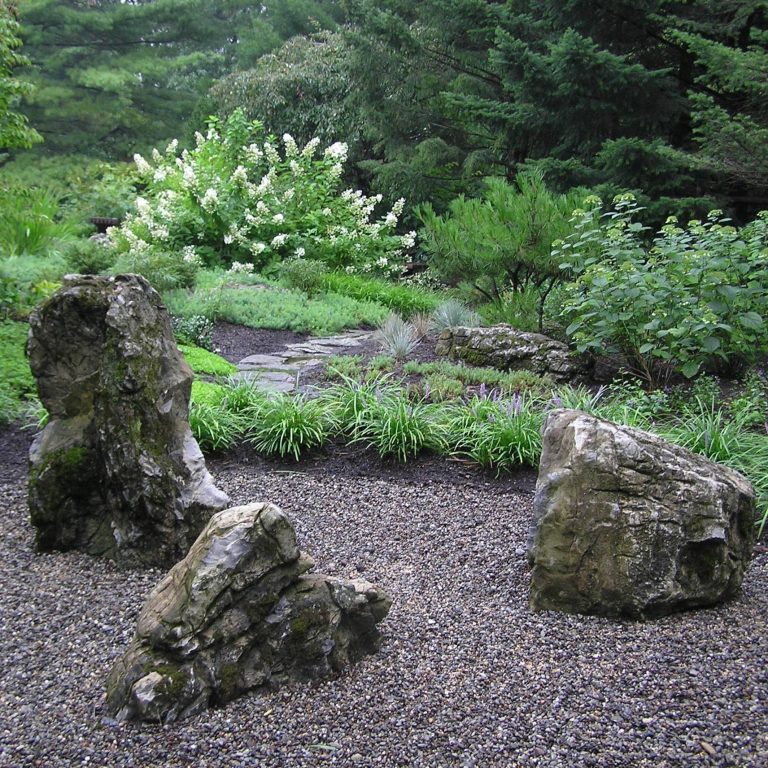
Retaining walls, garden edging, and decorative features benefit from volcanic stone’s resistance to environmental stress.
Maintenance and Longevity
Proper care enhances the natural durability of volcanic stone and ensures that its heat-resistant properties remain effective for decades.
Regular Cleaning
Routine cleaning removes dust, debris, and environmental residue that may accumulate on the surface. Using mild cleaning solutions helps preserve the stone’s natural finish without causing damage.
Sealing for Protection
Although volcanic stone is relatively dense, sealing can provide additional protection against moisture penetration and staining. Sealants also help maintain color consistency and surface quality.
Inspection of Outdoor Installations
Periodic inspection of joints and installation areas ensures structural stability. Addressing minor issues early prevents long-term damage.
Avoidance of Harsh Chemicals
Strong chemical cleaners can alter the stone’s surface or affect sealants. Gentle cleaning methods are recommended to preserve natural characteristics.
With proper maintenance, volcanic stone retains both its structural strength and visual appeal, making it a long-term investment for architectural and landscape applications.
Why Volcanic Stone Is Ideal for Hot Climates
Regions with strong sun exposure and high ambient temperatures demand materials that remain stable under constant thermal pressure. Volcanic stone meets these demands through:
- Resistance to heat-induced expansion and cracking
- Long-term durability in outdoor environments
- Consistent structural performance over time
- Natural aesthetic suitable for diverse architectural styles
These qualities make volcanic stone a practical and reliable solution for projects where thermal resilience is essential.
Volcanic stone stands out as one of the most heat-resistant natural materials available for construction and design.
Formed under extreme geological conditions, it possesses a dense crystalline structure, stable mineral composition, and low thermal expansion rate that collectively provide exceptional resistance to high temperatures. Its performance under intense sunlight, rapid temperature changes, and proximity to heat sources makes it especially valuable for outdoor applications.
From paving and pool decks to cladding and landscape features, volcanic stone combines durability, functionality, and natural beauty. When properly maintained, it offers long-lasting performance that supports both structural reliability and aesthetic excellence.
To explore premium volcanic stone materials for your next architectural or landscape project, visit Bali Stone Tiles and discover natural stone solutions designed for lasting performance in demanding environments.
Frequently Asked Questions
1. What makes volcanic stone highly heat resistant?
Its dense crystalline structure and high-melting minerals allow it to withstand extreme temperatures without cracking or deforming.
2. Is volcanic stone suitable for outdoor paving in hot climates?
Yes, it absorbs and releases heat gradually, maintaining stability and comfort under strong sun exposure.
3. Can volcanic stone be used near fire features?
Absolutely. Its natural formation under intense heat makes it reliable around fire pits and outdoor kitchens.
4. How does volcanic stone compare to granite in heat performance?
Both are durable, but volcanic stone typically shows more consistent stability under repeated thermal cycles.
5. Does volcanic stone require sealing?
Sealing is recommended to enhance protection against moisture, staining, and surface wear.
6. Is volcanic stone a sustainable building material?
Yes, its longevity and minimal processing contribute to environmentally responsible construction.